 Louisiana Personal Injury Lawyer Blog


 Often people are injured by a person who appears to be an employee of a company. However, just because someone seems to be working for a business doesn’t necessarily mean they are an employee. If you’re hurt by an employee of a company and want to seek damages, whether the person is an employee or an independent contractor could make a big difference in your case. The following case explains the difference between an employee and an independent contract for determining who will be liable for the injured party’s claims.
In January 2013, a cab driver was involved in a crash in Shreveport, Louisiana, where the cab passenger, Ms. Franklin, was injured. The cab driver, Mr. Gary Dick, leased the taxicab from Crawford and Yellow Checker Cab Company each day for $85. However, Mr. Dick kept all proceeds from his driving, and the cab companies received the same $85 a day regardless of how much Mr. Dick made. As a result, Ms. Franklin filed a lawsuit against Dick, Crawford, and the Yellow Checker Cab. Filing a lawsuit against all the possible defendants who may be liable is customary after an auto accident, as before litigation Ms. Franklin would have no way of knowing whether or not Dick was an employee or an independent contractor.
The cab companies filed a partial summary judgment motion arguing that there was no employee/employer relationship between themselves and Mr. Dick. Therefore, if successful, the cab companies would not be liable to Franklin for any of her injuries caused by the car accident, only Dick would. The trial court granted the motion in favor of the cab companies, and Franklin appealed the ruling.
 Removal of estate executors can be difficult and require many hours of work. Not only does a petition need to be filed with the court, but the executor being removed must be notified, which often results in a legal battle. Things can become even more complicated when long-lost relatives appear. The following case discusses how the heirs of an estate may seek to remove the executor.
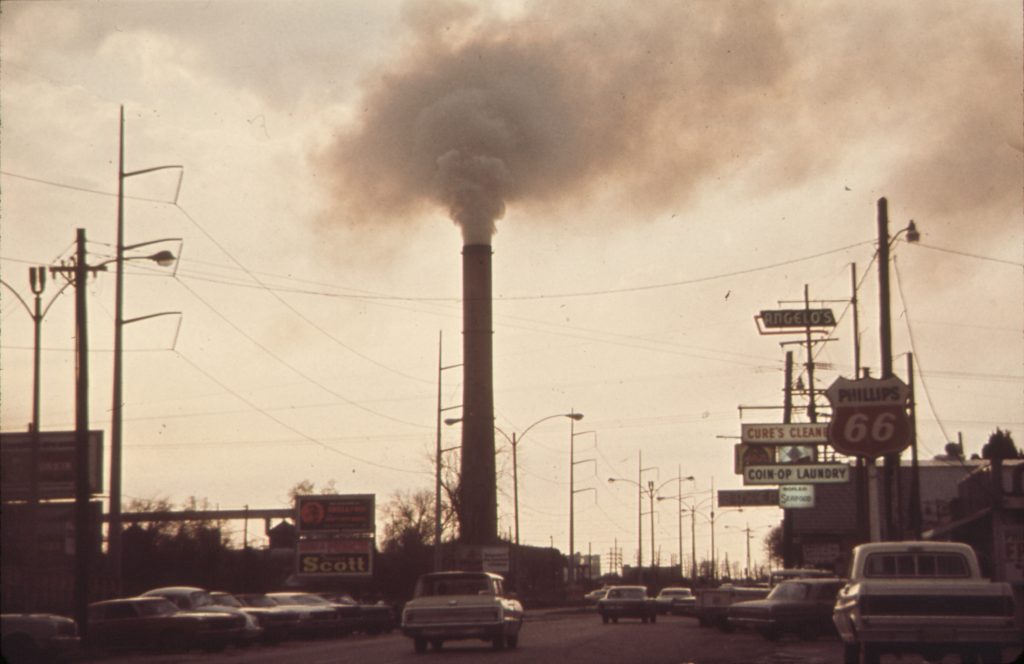 Car accidents are common and complicated. Wrecks can involve company cars, ride shares, and large commercial vehicles, all with different types of insurance. Impacts can occur while driving on a work errand. All these different types of accidents invoke numerous insurance questions. Questions such as; If you are out driving on a work errand, will your business’s uninsured motorist insurance provide coverage? The Louisiana Court of Appeals grappled with these issues in a recent appeal.
 Workers in the State of Louisiana are protected by laws that prohibit employment-based discrimination. But often, the litigation process is complicated; employees who believe they are victims of discrimination and harassment face a challenging burden of proof in order to recover from their employer.
 There are multiple federal laws that affect the employer-employee relationship. Two such laws are the
 Non-competition, or non-compete, clauses are a common part of business and employment agreements. They serve to prevent one party from taking knowledge or trade secrets to a competing business. Like any contract, these agreements are sometimes scrutinized to make sure they are actually fair to all parties. Courts will not uphold such clauses that are so limiting as to be unjust. In 2017, the Fifth Circuit of Louisiana considered such an agreement.
  Benjamin Franklin had good reason to make the statement, “neither a borrower nor a lender be.” The potential for risk on either side of the transaction is significant. Be it the likelihood of not getting paid, or the possibility that you will not be able to repay the debt, many find that it is better to avoid the perils of money lending altogether. But that is just not practical. The way big plans are realized is often with money we do not yet have. And loaning money at interest is usually a great short-term investment, if you have the cash to spare. How do we assure our debt agreements will hold up in court?
 Terms of Sale commonly include an “escape clause,” which gives the buyer a way out of a contract if unplanned circumstances arise. It is often a lawyer’s obligation to ensure that this clause is present in a contract, because if the lawyer fails to include one, this could result in malpractice. However, in order to receive recovery from the malpractice, the aggrieved party must promptly bring a lawsuit. The Longs family of Long’s Preferred Products, Inc. in Alexandria, LA, learned this the hard way when they sued their lawyer in the Ninth Judicial District Court Parish of Rapides for not including an escape clause in a stock purchase.
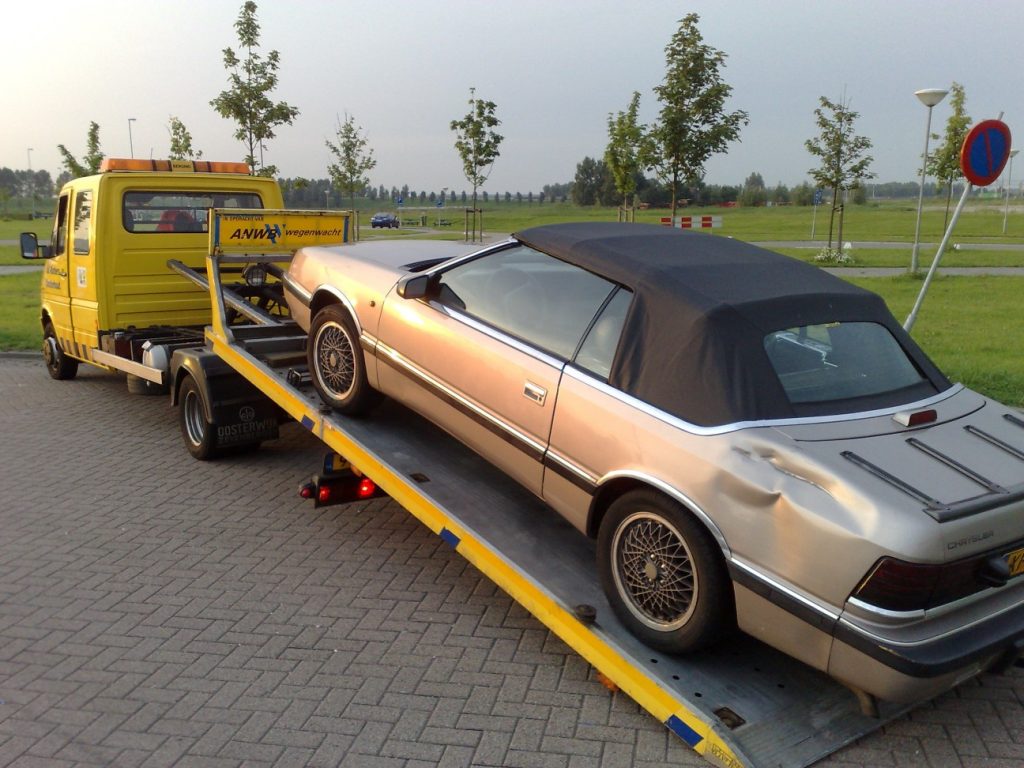 Running a small business is a challenging endeavor that can prove even more difficult if someone publishes false information about your company. This is situation is exactly what happened to husband and wife Robbie and Susan Arnaud, owners of Robbie’s Wrecker Service, a towing business located just outside Eunice, Louisiana.
 There is no shortage of frivolous lawsuits. As a result, courts have developed many different ways to nip these sorts of lawsuits in the bud. One way is by allowing defendants to file an exception of no cause action, which is essentially a request that asks the court to drop the plaintiff’s lawsuit because there is no factual support to justify the lawsuit. In the case below, the plaintiff truly believed she was wronged by her employer, but because the facts she provided in her lawsuit did not support a valid claim, her lawsuit was ultimately denied. So, how can you avoid your lawsuit being dismissed by no cause of action in Louisiana?