 Louisiana Personal Injury Lawyer Blog


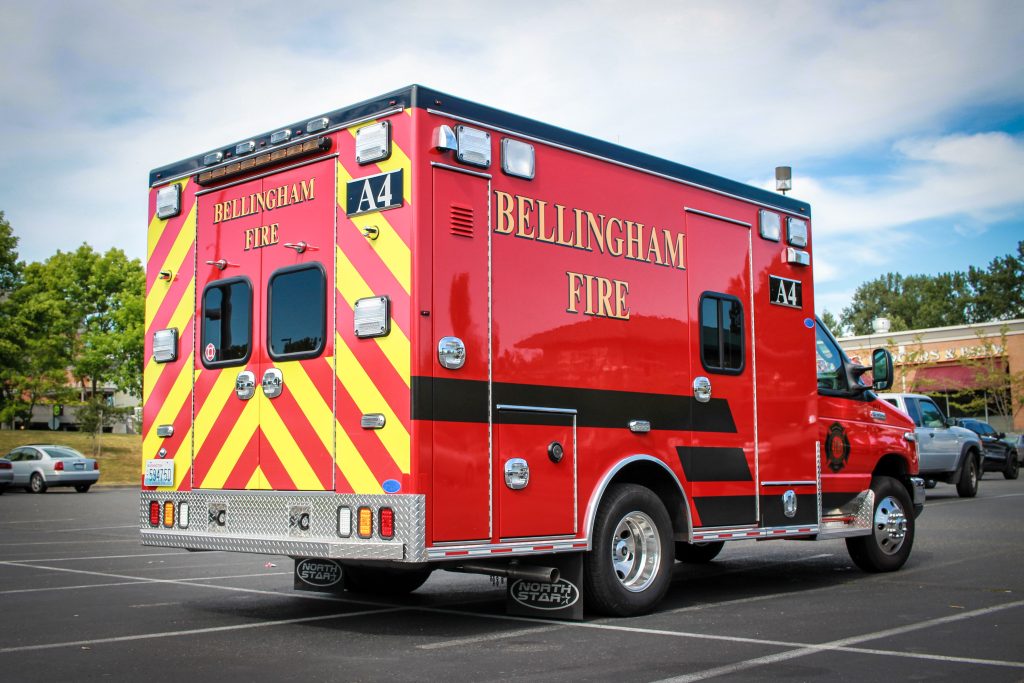 Determining liability can be complex when a car crash occurs and even more so when one of the vehicles involved is an ambulance. In Louisiana, the law applies a unique standard of care to emergency vehicle drivers. So what are the liability standards for ambulances and other emergency vehicle drivers involved in car accidents? The following lawsuit out of Lafayette, Louisiana, helps answer that question.
Gerald Janise was involved in a collision with William Gerard at an intersection in Lafayette, Louisiana. At the time of the accident, Gerard was driving an Acadian Ambulance Service vehicle. Janise filed a lawsuit against Gerard, Acadian Ambulance Service, and their insurer.
Janise claimed at a red light, Gerard did not obey the traffic signals or exercise proper caution and collided with Janise’s car. Gerard filed a summary judgment motion, arguing under La. R.S. 32:24, the driver of an emergency vehicle responding to an emergency can only be held liable if his conduct amounts to reckless disregard for others’ safety. The court denied Gerard’s summary judgment motion.
 We all like to think we can rely on other people’s assertions that something is safe. But what happens when it turns out someone is making misrepresentations about safety? Can they be held liable for resulting injuries? The following lawsuit out of St. Landry parish helps answer that question.
 One of a parent’s worst nightmares is something happening to their child. This case delves into the heart-wrenching incident of a young child being struck by a neighbor’s car, leading to a complex legal battle to determine responsibility for the resulting injuries. While the child eventually recovered, the accident’s aftermath unleashed a lawsuit that delved into conflicting accounts and legal statutes governing pedestrian conduct. By examining the trial and appellate court’s proceedings, we gain insights that help answer the question: How does a court determine liability in a child pedestrian accident?
 In personal injury cases, plaintiffs are often left vulnerable due to the accidents leading to their injuries. Hence, they require excellent attorneys who don’t exploit these vulnerabilities but instead zealously advocate on their behalf. For Claude Allen Newsome (“Newsome”), a November 2010 car accident in Bossier Parish, Louisiana, left him without sight, which was a direct result of macular degeneration caused by the accident. After that, Newsome was deemed legally blind and rendered a person with quadriplegia. Newsome appointed Robert Lansdale (“Lansdale”) as his power of attorney. What unfolded while seeking damages on behalf of Newsome demonstrates the necessity to lodge objections on the record and timely appeal matters.
 Following an automobile accident, you will likely deal with insurance companies unwilling to pay what you believe you are owed. Insurance companies may rely on a multitude of evidence to support their decisions, including witness testimony. The following East Baton Rouge lawsuit demonstrates the weight courts may place on witness testimony following a car accident.
  In the aftermath of a tragic situation, such as the death of a child, the last thing you might want to consider are insurance policies and legal requirements. However, it is essential to understand how courts determine whether an individual was covered by a specific insurance policy so that you know who might be liable for your losses. This is especially important when the accident involves a vehicle used both commercially and personally.
 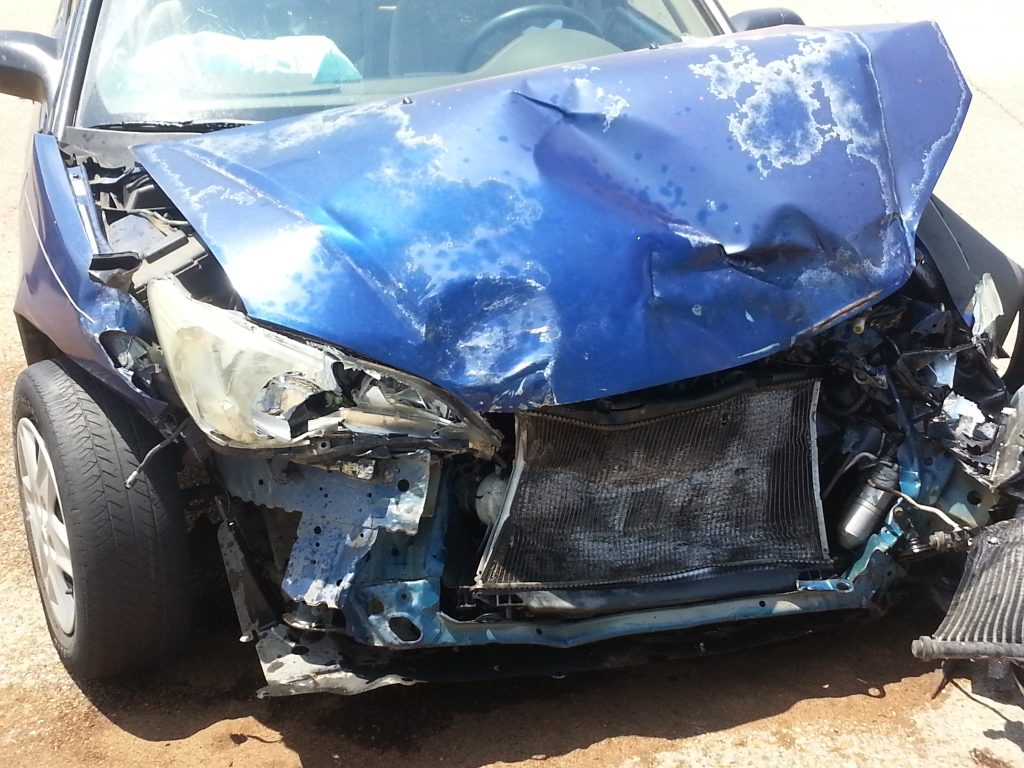 If an individual suffers from chronic pain or a preexisting injury, it may be challenging to prove additional injury due to a car accident. Proving these additional injuries, however, is crucial for collecting damages or compensation for medical bills following the accident. The following Lafayette Parish case shows how a plaintiff may prove a causal link between the car accident and their injuries.
  If you need to file a lawsuit, obtaining the opposing party’s accurate service of process address is crucial. Otherwise, you may face challenges similar to those encountered by Veronica Gordon. Gordon was an independent contractor for A-1 St. Bernard Taxie & Delivery, LLC, when she was involved in a motor vehicle accident while driving one of their cabs. Three days after the accident, she went to the emergency room for treatment of pain in her arm, shoulder, neck, and back.
 When you sign a settlement agreement and release, it is easy to assume you waived all rights to sue over the incident that led to the agreement. However, there are certain circumstances where you should have been provided with relevant information at the time of signing. Therefore, it is crucial to understand your rights and the terms of any agreement. Consulting with a qualified attorney can ensure you are fully informed before signing.
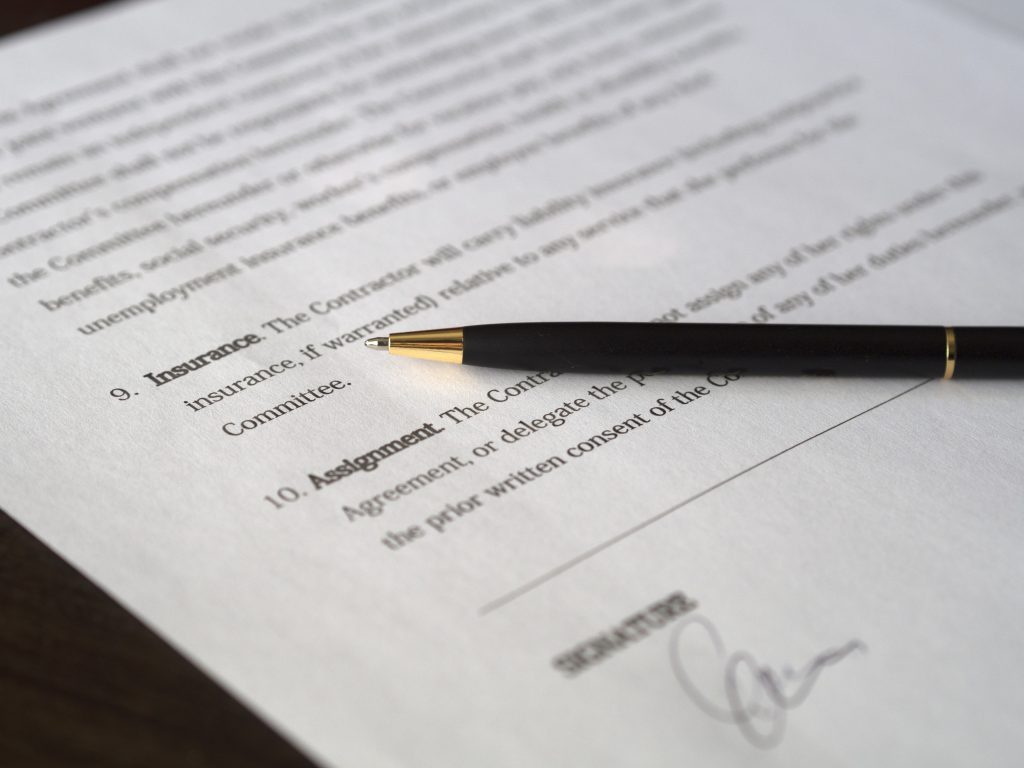 To avoid a lengthy trial, many lawsuits will be solved through settlements. Settlements may have their requirements, like signing a release. If presented with a release make sure you read it carefully and ensure it includes limiting language if other parties may be at fault. This is a lesson learned by Raymond Cressy when he signed a release form through his power attorney, severely hurting his claims.