 Louisiana Personal Injury Lawyer Blog


 Imagine moving into your new apartment, only to find it’s more like a horror movie set than a cozy home. Mold creeping up the walls, evidence of unwanted rodent roommates… it’s enough to make anyone sick. But does that automatically mean your landlord is liable? A recent court case dives deep into this messy situation, highlighting the legal hurdles tenants face when seeking damages for a less-than-habitable dwelling.
Dewayne Montgomery, our tenant-turned-plaintiff, found himself in this exact predicament. He sued his landlord, Garry Lewis, claiming the apartment was riddled with mold and rat droppings, causing him various health issues. Montgomery alleged negligence, breach of contract, and even emotional distress as a result of his claimed paltry living conditions.
Lewis denied responsibility, arguing Montgomery couldn’t prove the mold caused his health problems or that Lewis knew about any pre-existing issues.
 Contracting and subcontracting in the construction industry are standard practices. However, they can create several challenges when a worker is injured. What happens, for instance, when the employee of a subcontractor is injured by a device owned and operated by a municipal government unconnected to the construction project at hand? The Louisiana First Circuit Court of Appeal recently addressed this question when a worker was injured by an overhead power line.
  Providing sufficient expert testimony can be crucial to prevailing a medical malpractice lawsuit. But what happens when the court determines that the expert testimony offered by a doctor on the plaintiff’s behalf is insufficient because the doctor does not specialize in the same field as the defendant?
  Today, in the age of ever-prevalent social media, it is easier than ever to express opinions about events and even other people. It is also easier for people to find one another’s statements, even if the people involved don’t know one another. Statements about emotionally charged events can harm a person’s reputation, social standard, or self-worth. The courts must balance free speech and private citizens’ protection. The Louisiana First Circuit Court of Appeal recently considered such a situation.
  Relationships between employees and employers can sour quickly when employees commit negligence during their duties. In some cases, the innocent party can seek compensation from the employer for damages caused by the employee. But what if the party causing harm is not really an employee but an independent contractor? And what if the roles are not entirely clear? A recent injury case out of Denham Springs addressed those questions.
 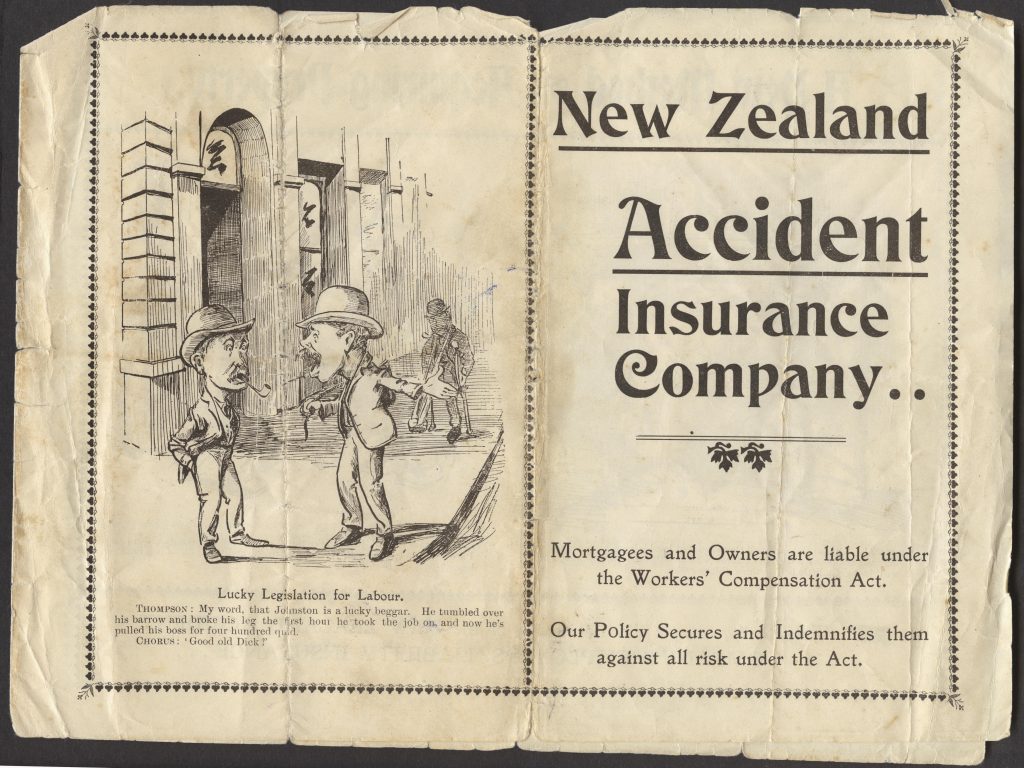 If you are injured on the job, you might be entitled to compensation through the workers’ compensation system. What happens if your employer denies your claims for treatment recommended by your treating physicians? Can your employer be required to pay you penalties and fees?
 While involved in a legal dispute, there are strict timelines that must be followed, not only for filing an initial lawsuit, but also for filing any subsequent appeals. However, arguments can arise about what timeline applies to a certain factual situation.
  Sometimes, commonplace items such as stairs can lead to serious injuries. This case involves the unfortunate situation of a woman who fell down stairs and was injured. Under what circumstances can a building owner be held responsible for injuries from falling down the stairs?
  While many people enjoy oysters, few people are aware how oyster leases work. This case involves a couple who held oyster leases that were harmed when a company decided to renter a nearby oil well. Can that company be held liable for the damages to the holders of the adjacent oyster leases?
  If you retain a lawyer, you expect they will fairly represent you. What happens if after you hired a lawyer, you learn that lawyer had previously represented one of the parties you are suing, multiple times? Just like in other lawsuits, it is essential that you file any lawsuit within the required time period for bringing a claim. If you wait too long, then a court may be unable to hear your claim.