 Louisiana Personal Injury Lawyer Blog


 Once a case has been fully litigated, it has been established that the plaintiff cannot bring additional lawsuits against the same parties for the same cause of action. This principle, res judicata, promotes stability, efficiency, and fairness within our court systems. The following Ascension Parish case is decided based on this concept.
Arthur Deal was involved in a motor vehicle accident with Billie Fortenberry on April 27, 2012. Following this accident, Deal filed a lawsuit against Mr. Fortenberry, Mr. Fortenberry’s insurer, Farm Bureau, and his uninsured/underinsured motorist insurer, State Farm Mutual Automobile Insurance Company. Deal then settled his claims with Farm Bureau and State Farm and agreed to dismiss the lawsuit on October 14, 2015.
For the claim against Farm Bureau, Deal settled for the insured policy limit of $25,000, which Farm Bureau issued to Deal and his attorney in the form of a check on October 24, 2013. This amount, however, was not negotiated by Deal or his attorney. Following this, Deal retained new legal counsel. On September 23, 2015, almost two years after Farm Bureau issued the settlement check, Deal’s new attorney wrote the company a letter stating, in part, that the old check was not cashed and asked how long it would take Farm Bureau to issue a new one. Farm Bureau responded that, upon receipt of the old check, it would issue a new check to Deal and his attorney. Deal forwarded the old check to Farm Bureau on October 15, 2015. The company received it on October 16, 2015, and issued a new check on October 26, 2015. Deal and his attorney negotiated this check.
 Often people are injured by a person who appears to be an employee of a company. However, just because someone seems to be working for a business doesn’t necessarily mean they are an employee. If you’re hurt by an employee of a company and want to seek damages, whether the person is an employee or an independent contractor could make a big difference in your case. The following case explains the difference between an employee and an independent contract for determining who will be liable for the injured party’s claims.
  Injury and negligence alone cannot support a personal injury claim. There must be causation or a link connecting a negligent act and the related injury to succeed at trial. A consistent medical history and a plaintiff’s credibility can enormously impact whether a jury decides that a negligent act caused an alleged injury. This principle was affirmed by the Calcasieu District Court when plaintiff Treima Williams was unsuccessful in her claim for damages arising from a road traffic accident. The case below shows how contradictory medical history can affect the outcome of your injury lawsuit.
 Insurance claims can be complex, even for the courts. Lawsuits involving multiple plaintiffs and defendants are just as complicated. Claims, cross-claims, and counterclaims can arise from a single accident.
 If you’re in a car wreck, you expect, or hope, to be covered for UM Bodily injury (UMBI) up to certain policy limits. However, when signing up for insurance, you must carefully review the coverages. The law in Louisiana has strict requirements when it comes to selecting or rejecting Uninsured motorist coverage. If you aren’t careful, you may unknowingly reject or limit the coverage you thought you had. New Orleans citizen Zachary Addison learned this lesson the hard way after being involved in a car incident in 2013.
  Car accidents are common and complicated. Wrecks can involve company cars, ride shares, and large commercial vehicles, all with different types of insurance. Impacts can occur while driving on a work errand. All these different types of accidents invoke numerous insurance questions. Questions such as; If you are out driving on a work errand, will your business’s uninsured motorist insurance provide coverage? The Louisiana Court of Appeals grappled with these issues in a recent appeal.
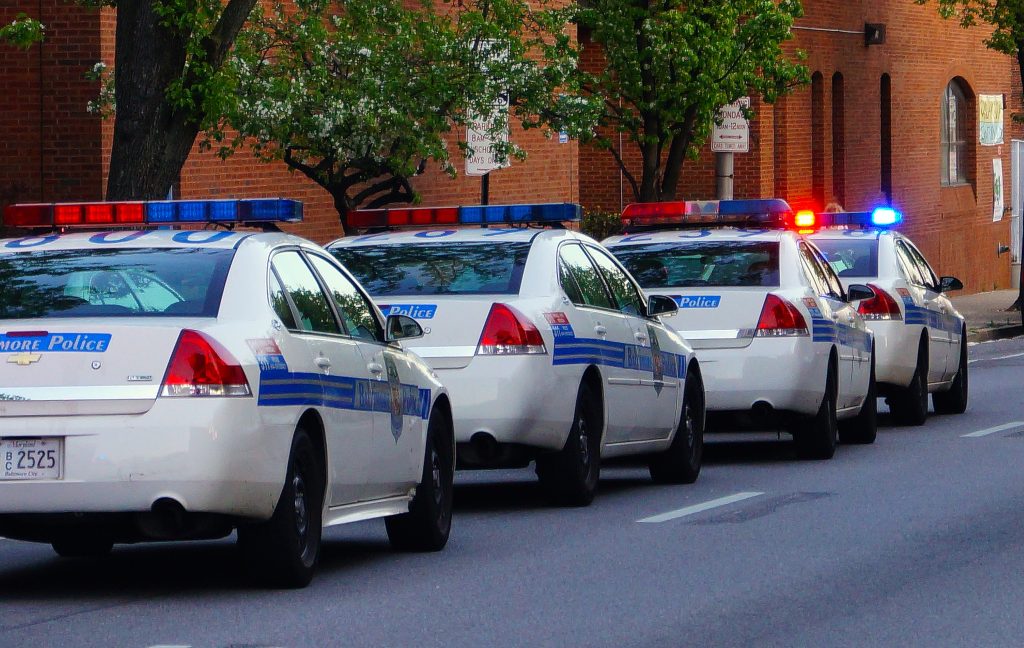 Despite stringent rules and regulations designed to keep unlicensed drivers off the road, minors often find their way behind the wheel. Police in Gonzales, Louisiana, were forced to reckon with the seriousness of such a driver when a high-speed police chase on Interstate 10 turned deadly in May of 2004. The outcome of this chase became the subject of a lawsuit left unsettled until 2017—a case which pondered: to what standard should police be held when engaged in an active car chase?
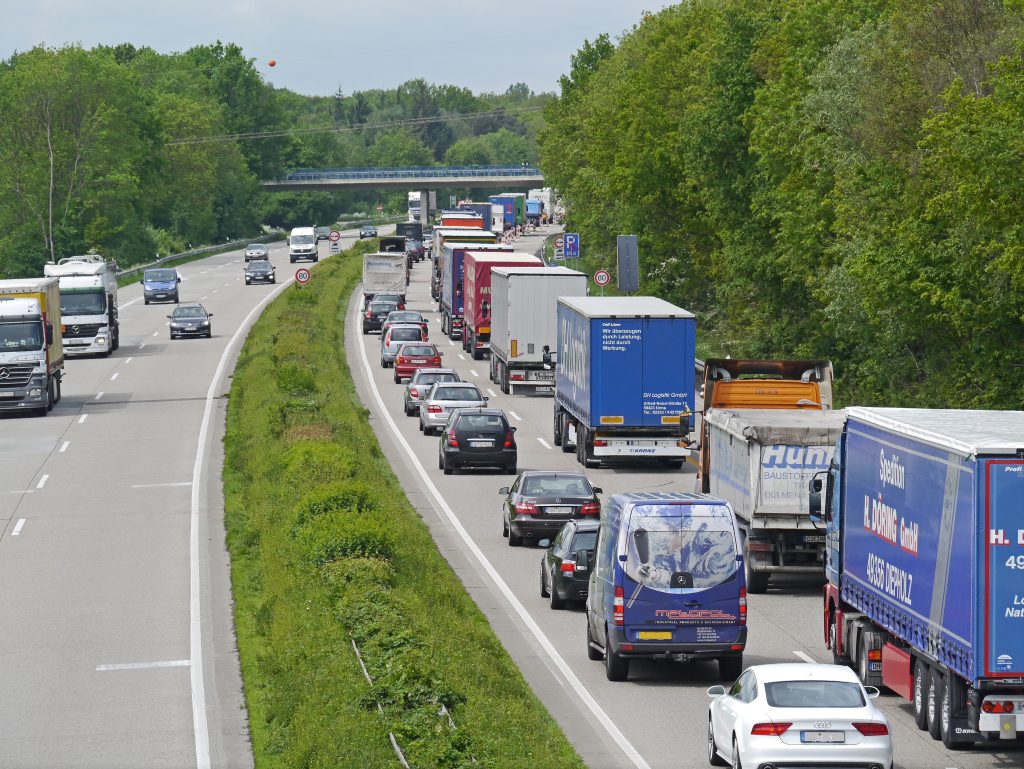 Imagine you were just in an accident, and you pulled over on the shoulder of the interstate highway. Traffic is roaring in your ears, the wind is whipping past your face, and you can feel the congested car flows as your tires buzz. Luckily, you are not injured. As you are waiting for the police to arrive, another collision happens right beside you two. Brakes are being slammed, and horns are being blown, but the chain reaction is just unstoppable. A third car darts into the road shoulder, toppling the vehicle behind you and slamming it in your direction. You are hit again.
 The history of American jurisprudence is filled with various attempts by state legislatures and courts to grapple with the issue of liability that should be imposed on those in the business of serving alcohol. On the one hand, it makes logical sense to hold bars responsible for profiting from serving drinks to patrons to the point of intoxication and sending them out the door to wreak havoc on the world. Indeed, many jurisdictions have enacted “dram shop” laws to create this kind of liability. On the other hand, individual responsibility is a strong and enduring concept, and many states place the responsibility for drunken behavior squarely on the party that imbibes.