 Louisiana Personal Injury Lawyer Blog


 Most lawsuits begin with a petition that lays out the facts and basis for a claim. These facts are pertinent to the survival of each claim and defense. Many pretrial hearings and motions are based on what is pleaded in the petition. The face of each pleading can determine the case’s outcome from the beginning.
To attack the petition to have a lawsuit thrown out of court, attorneys will file motions alleging various exceptions. These exceptions can be based on different issues surrounding the case, such as a prescription or peremption exception. When arguing those exceptions, the attorney must be conscientious to “admit” all the evidence into the record that bolsters their position. The following lawsuit out of Ascension Parish, Louisiana, shows how important it is to properly admit evidence into the record when arguing in Court and what can happen when an attorney forgets to “offer and introduce” evidence filed with a motion.
William and Rosa Cambre owned a building they leased to Premier Performance Marine, L.L.C (Premier). Premier had the building insured by an Atain Specialty Insurance Company (Atain) policy. Therefore, when a storm severely damaged the building, Attain paid Premier under the insurance policy.
 Once a case has been fully litigated, it has been established that the plaintiff cannot bring additional lawsuits against the same parties for the same cause of action. This principle,
  Insurance claims can be complex, even for the courts. Lawsuits involving multiple plaintiffs and defendants are just as complicated. Claims, cross-claims, and counterclaims can arise from a single accident.
 Most consumers in the U.S. are aware of increasingly high medical costs. For most people, those high costs are not directly paid; instead, they appear on a bill along with what one’s insurance company will pay as part of an agreement with the medical provider. Many insured consumers will look for “in-plan” medical providers to ensure that most costs are covered. Those “in-plan” providers are part of a preferred provider organization (PPO), which is a subscription-based medical arrangement that allows a substantial discount on rates to be charged.
  If you’re in a car wreck, you expect, or hope, to be covered for UM Bodily injury (UMBI) up to certain policy limits. However, when signing up for insurance, you must carefully review the coverages. The law in Louisiana has strict requirements when it comes to selecting or rejecting Uninsured motorist coverage. If you aren’t careful, you may unknowingly reject or limit the coverage you thought you had. New Orleans citizen Zachary Addison learned this lesson the hard way after being involved in a car incident in 2013.
  Car accidents are common and complicated. Wrecks can involve company cars, ride shares, and large commercial vehicles, all with different types of insurance. Impacts can occur while driving on a work errand. All these different types of accidents invoke numerous insurance questions. Questions such as; If you are out driving on a work errand, will your business’s uninsured motorist insurance provide coverage? The Louisiana Court of Appeals grappled with these issues in a recent appeal.
 Knowing what is in an insurance agreement can determine whether or not you are covered for different injuries. If a buyer signed a policy, did not ensure that certain aspects were covered, and then never bothered to check or revise the policy, this person will likely be held accountable for knowing precisely what is in that policy.
 One of the first things that occur after a car accident is the parties exchange insurance information. But, unfortunately, just because someone has an insurance card doesn’t always mean they are covered for the wreck they caused. A driver in Metairie learned that lesson the hard way, as shown by the case below.
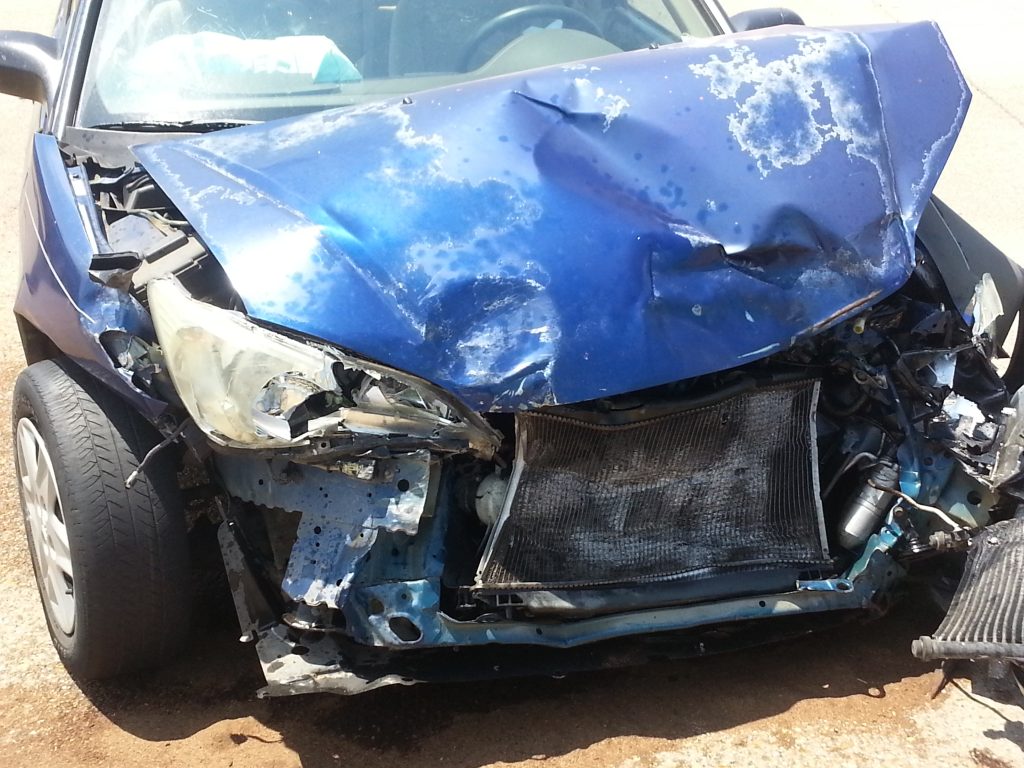 Usually, in a dispute concerning a car accident, the issue surrounds fault or the extent of injuries. Occasionally though, the argument is whether a passenger in one of the vehicles was even a passenger. Evidence that one was a passenger and present during the accident would seem helpful but does not guarantee recovery, as one plaintiff learned after a 2011 car accident in Jefferson Parish.
 Car accidents can be a problematic scenario for the parties involved emotionally and financially. This situation can become even more complicated when the insurance company provides coverage to both parties involved in the accident, and the injured party files a lawsuit against the insurance company, arguing that the injured party is a first-party claimant. The Fourth Circuit Court of Appeals for Louisiana recently addressed the issue.