 Louisiana Personal Injury Lawyer Blog


 In the world of industrial contracts, the devil often lies in the details – especially when it comes to indemnity clauses. These clauses determine who bears the financial responsibility if something goes wrong, and they can be a source of heated legal battles. This is precisely what happened in the case of Godfrey T. Fagot v. Dow Chemical Company, et al., where Turner Industries and Honeywell International clashed over the interpretation of their contracts.
The Underlying Lawsuit:
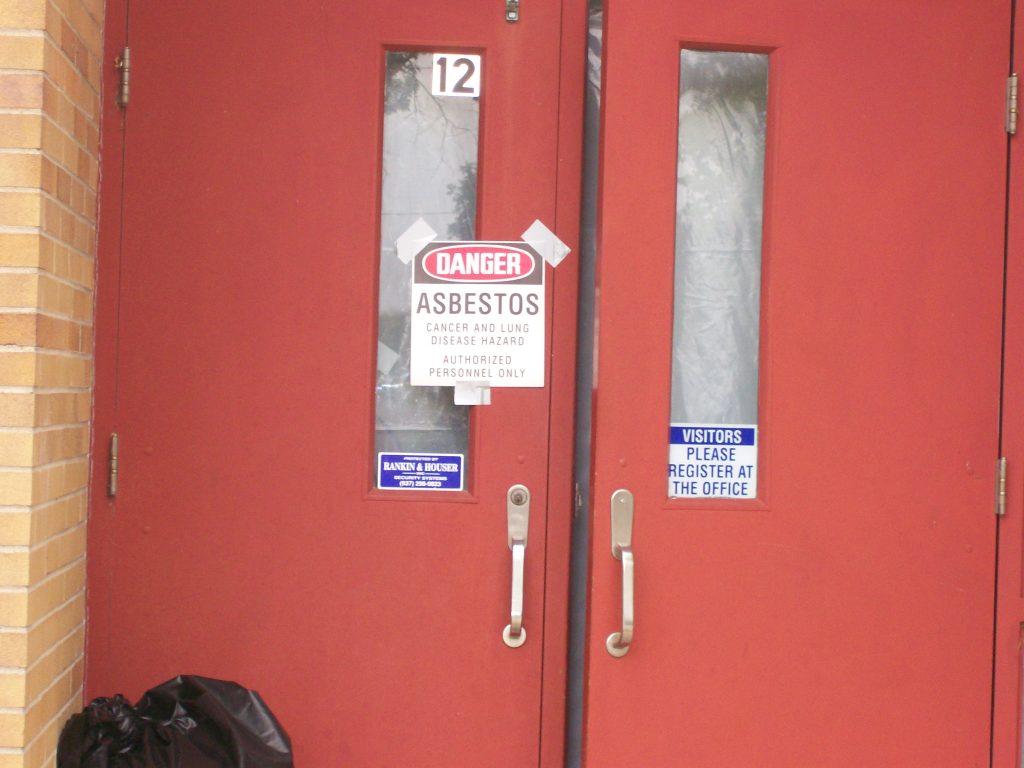
Godfrey Fagot, a former pipefitter/welder, sued several companies, including Turner Industries and Honeywell, claiming he developed mesothelioma due to asbestos exposure while working at Honeywell’s facility. Turner, a contractor for Honeywell, had signed contracts in 1978 and 1985 containing indemnity provisions.
 In a heart-wrenching incident, Dr. Alan Sandifer, an avid bow hunter, tragically lost his life in a freak accident involving his Hoyt compound bow. The Sandifer family’s quest for answers led them to the courtroom, seeking justice through a lawsuit against the bow’s manufacturer,
  In a significant victory for the family of a deceased worker, the Louisiana Court of Appeal has overturned a previous ruling, ensuring they receive workers’ compensation death benefits. The case,
  We all expect the government to take appropriate measures to keep roads safe. If you or a loved one has been harmed from an unsafe road condition, you might be able to file a lawsuit against the Department of Transportation and Development.
 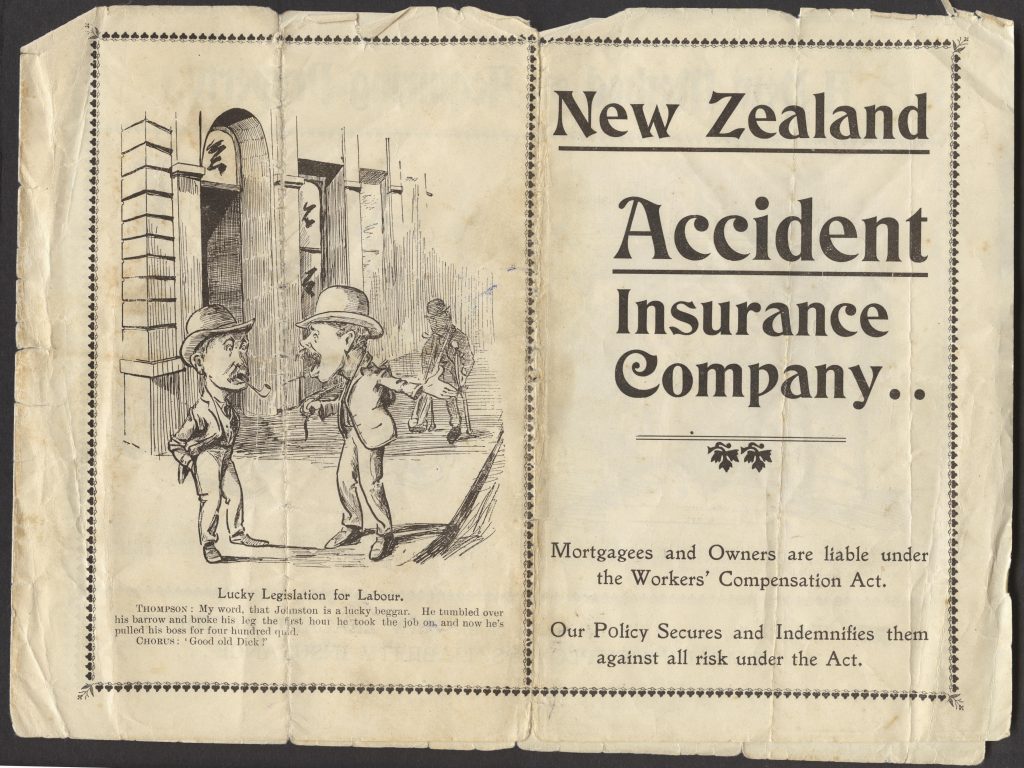 Vicarious liability in the context of work-related accidents is a complex legal issue that necessitates careful analysis of the state’s code. The case of Sarah Barber serves as a compelling example of the potential consequences when a government employee causes an accident while performing their job duties. Understanding the nuances of vicarious liability and the specific provisions governing such cases is essential to determine the employer’s liability for the actions of their employees.
 Unraveling the complexities of jurisdiction is essential when determining which court has the authority to hear a lawsuit. Whether a case is heard in state or federal court can have strategic implications, but the path to federal court is paved with complex legal requirements. In this article, we delve into the intricacies of jurisdiction and explore the factors determining whether your lawsuit can be heard in federal court.
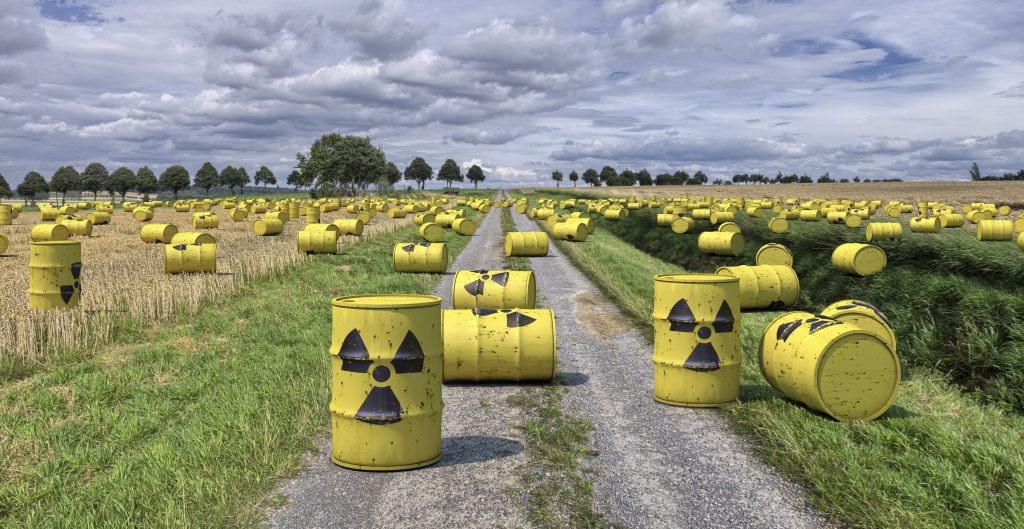 Exposure to naturally occurring radioactive materials generally increases due to human activity. Proving harm from these activities may be difficult, however. The following Jefferson Parish case demonstrates the need for substantiating your injury claim with evidence. It further shows the weight a court may place on expert witnesses.
  The evolving nature of employment now means the relationship between employer and employee can be indirect and through different contracting methods. In addition, many people employed by one company are, in fact, on the job doing work for another. A recent case in Louisiana highlights these distinctions and the risks posed to workers and their families when seeking compensation.
 Although most people have heard of both state and federal courts, many do not know when a party in a lawsuit can move a case to a different court. This happened to Howard Zeringue, who first filed a lawsuit in Louisiana state court, but soon found himself in the United States District Court for the Eastern District of Louisiana after the company he sued removed the case to federal court. This case helps answer the question; My lawsuit was removed to Federal Court. What does that Mean?
 Insurance policies are often lengthy and very complicated. Therefore, understanding who may be liable when an injury occurs is critical, as failure to do so may lead to complex and expensive court proceedings. The following Iberville Parish case demonstrates the problems that arise when multiple insurance companies and policies are involved in one lawsuit and when evidence is not properly admitted.