 Louisiana Personal Injury Lawyer Blog


 Spas, health clubs, and wellness retreats are a few places that prioritize the self-care of their patrons, offering relaxing services like manicures, mud baths, and massages. These places also owe a legal duty to their patrons by using reasonable care to avoid causing any injuries. After a massage went wrong at Massage Envy (ME), a jury for the Fifteenth Judicial District Court for Parish of Lafayette (“District Court”) awarded the plaintiff, Julie Roy (“Roy”), $65,000.00 for her future medical expenses. Dissatisfied with this outcome, Roy appealed to the Third Circuit Court of Appeal for the State of Louisiana (“Circuit Court”), claiming that the jury failed to award her sufficient damages to cover her future medical expenses, especially in the light of her physician’s testimony.
Roy’s injuries at Massage Envy resulted from falling off a massage table. Originally, Roy had scheduled a 90-minute massage, but she asked the massage therapist to stop after about 45 minutes, half of her scheduled time. The massage therapist, who was over six feet tall, had raised the massage table to reach Roy better during the massage. However, before Roy got off the table, the massage therapist left the room without lowering the table back to its standard height. Therefore, when Roy attempted to get off the table, she lost her balance and fell, injuring her knee, shoulder, back, and neck. Before leaving Massage Envy, Roy reported her injury to the management there.
A year later, Roy sued ME for her fall injuries. A jury returned a verdict, finding equal, 50/50, fault of both Roy and ME and awarding $65,000 to Roy for her future medical expenses along with damages for her past medical experiences and general damages. Yet, Roy appealed this decision to the Circuit Court, arguing that the jury’s award of $65,000 for her future medical expenses was an abuse of discretion because it ignored the testimony of her physician.
 Injuring yourself while on the job is not fun for anyone, especially when your accident further exacerbates a previous workplace injury. What happens if you then try to seek retroactive benefits from your previous injury? You may run into an issue of prescription (otherwise known as the statute of limitations). A 2016 case from Terrebonne Parish explores how prescription can play out in a compound workplace injury.
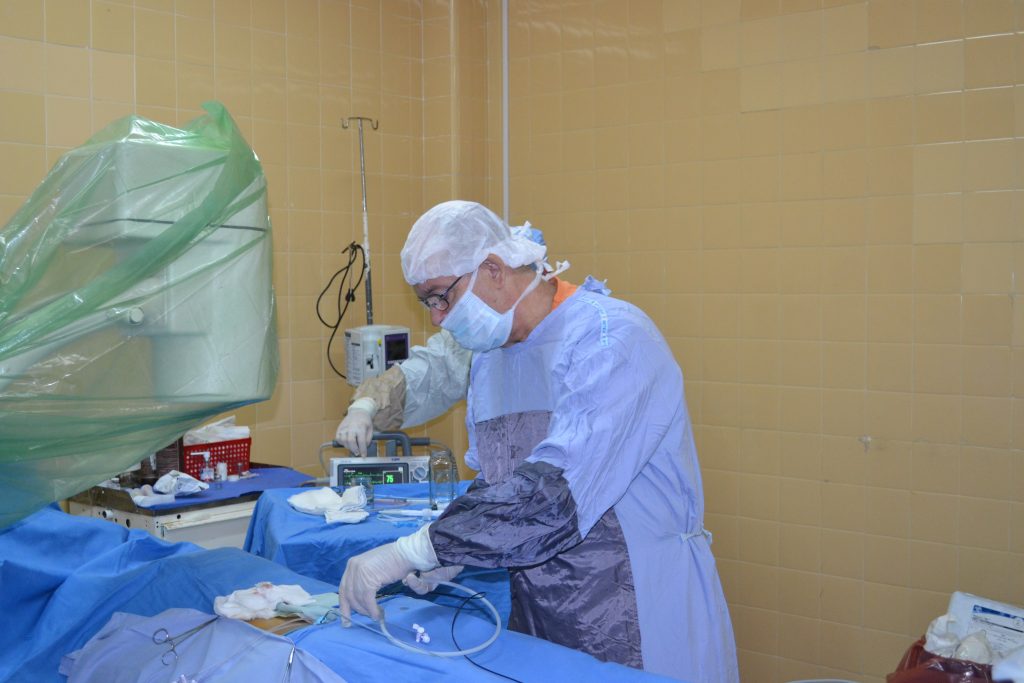 Scheduling a post-accident surgery promptly may be essential to ensure complete physical recovery. Sometimes, the scheduling of post-accident surgery matters less. However, scheduling your surgery prudently may pay off when recovering damages in court, as one plaintiff found in a recent appeal discussed below.
  Personal injury cases can be costly for all parties involved. Paying those costs can get confusing, especially when there is indemnification. Indemnification arises when a party is contractually obligated to foot the bill for attorney fees and defense costs. The question then arises, can you seek indemnification if fault was never established? This type of contractual clause and legal questions are the core issue in a recent appeal discussed below.
  Auto insurance can be beneficial when you are in a car accident. However, it isn’t uncommon to have specific provisions in your insurance policy that can limit your coverage. A recent case out of Kenner, Louisiana, interpreted whether certain caveats in an insurance policy can limit a client’s uninsured motorist coverage (UM/UIM).
 Most lawsuits begin with a petition that lays out the facts and basis for a claim. These facts are pertinent to the survival of each claim and defense. Many pretrial hearings and motions are based on what is pleaded in the petition. The face of each pleading can determine the case’s outcome from the beginning.
  When a case ends at the trial court level, the judge signs a physical order document laying out the court’s decisions. This physical order document is called a final judgment; every case will only have one final judgment. Final judgments cannot be amended easily by either the trial court or the parties. The only permissible amendments are those that fix basic errors, such as spelling or arithmetic; all other modifications or changes should be brought up on appeal or in a motion for a new trial.
  The legal system is complicated, with many “dos-and don’ts.” Whether or not you can have your case heard in court first requires following the rules guiding the sufficiency of your claim. If your complaint fails to show that you have a right to bring the case against your defendant, your case might be dismissed. But how strictly interpreted is this rule? What does it look like when a cause of action is sufficient to be heard or ripe for dismissal?
 In the United States, parents are often deemed responsible for the criminal conduct of their minor child. But the rules guiding this concept could be more precise and are subject to much controversy. How do we decide when that duty exists and when it ends? A Louisiana court answers the question, does parental liability extend over adult children in Louisiana?