 Louisiana Personal Injury Lawyer Blog


 In the world of industrial contracts, the devil often lies in the details – especially when it comes to indemnity clauses. These clauses determine who bears the financial responsibility if something goes wrong, and they can be a source of heated legal battles. This is precisely what happened in the case of Godfrey T. Fagot v. Dow Chemical Company, et al., where Turner Industries and Honeywell International clashed over the interpretation of their contracts.
The Underlying Lawsuit:
Godfrey Fagot, a former pipefitter/welder, sued several companies, including Turner Industries and Honeywell, claiming he developed mesothelioma due to asbestos exposure while working at Honeywell’s facility. Turner, a contractor for Honeywell, had signed contracts in 1978 and 1985 containing indemnity provisions.
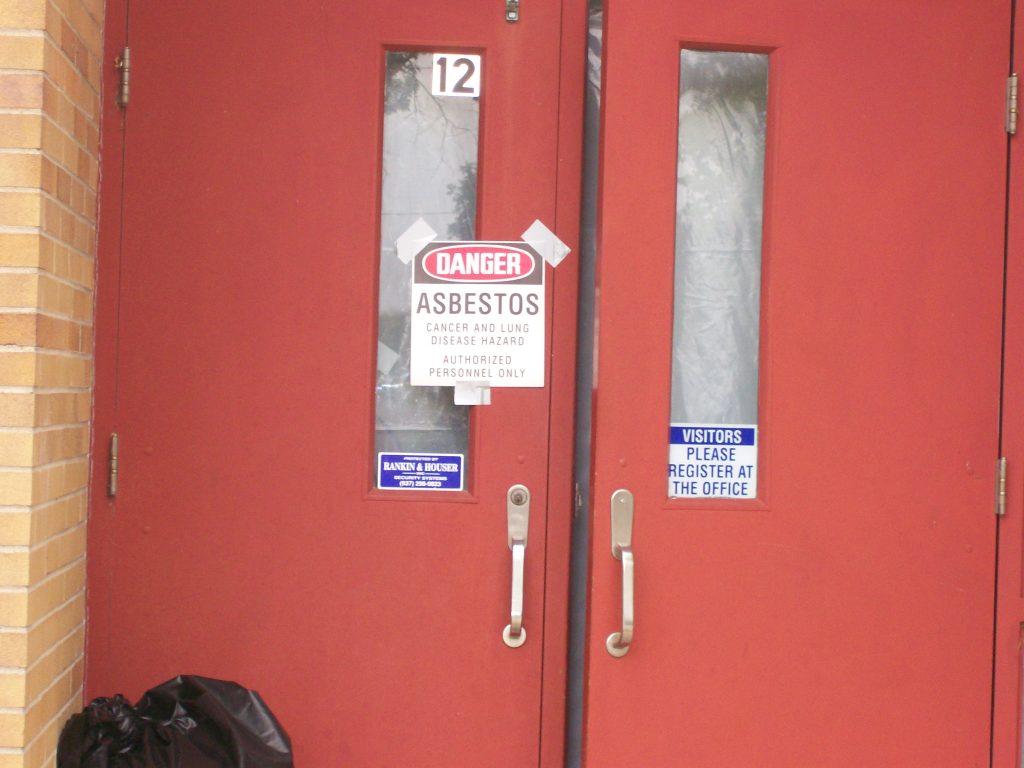 Unraveling the complexities of jurisdiction is essential when determining which court has the authority to hear a lawsuit. Whether a case is heard in state or federal court can have strategic implications, but the path to federal court is paved with complex legal requirements. In this article, we delve into the intricacies of jurisdiction and explore the factors determining whether your lawsuit can be heard in federal court.
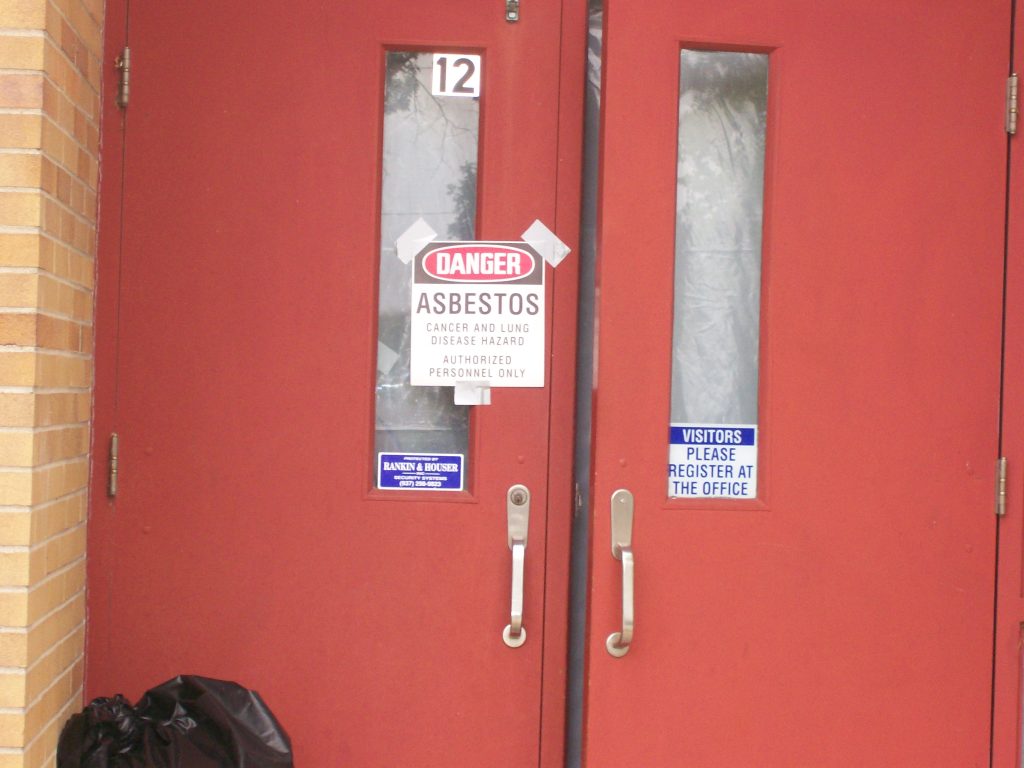 Although most people have heard of both state and federal courts, many do not know when a party in a lawsuit can move a case to a different court. This happened to Howard Zeringue, who first filed a lawsuit in Louisiana state court, but soon found himself in the United States District Court for the Eastern District of Louisiana after the company he sued removed the case to federal court. This case helps answer the question; My lawsuit was removed to Federal Court. What does that Mean?
 Insurance policies are often lengthy and very complicated. Therefore, understanding who may be liable when an injury occurs is critical, as failure to do so may lead to complex and expensive court proceedings. The following Iberville Parish case demonstrates the problems that arise when multiple insurance companies and policies are involved in one lawsuit and when evidence is not properly admitted.
 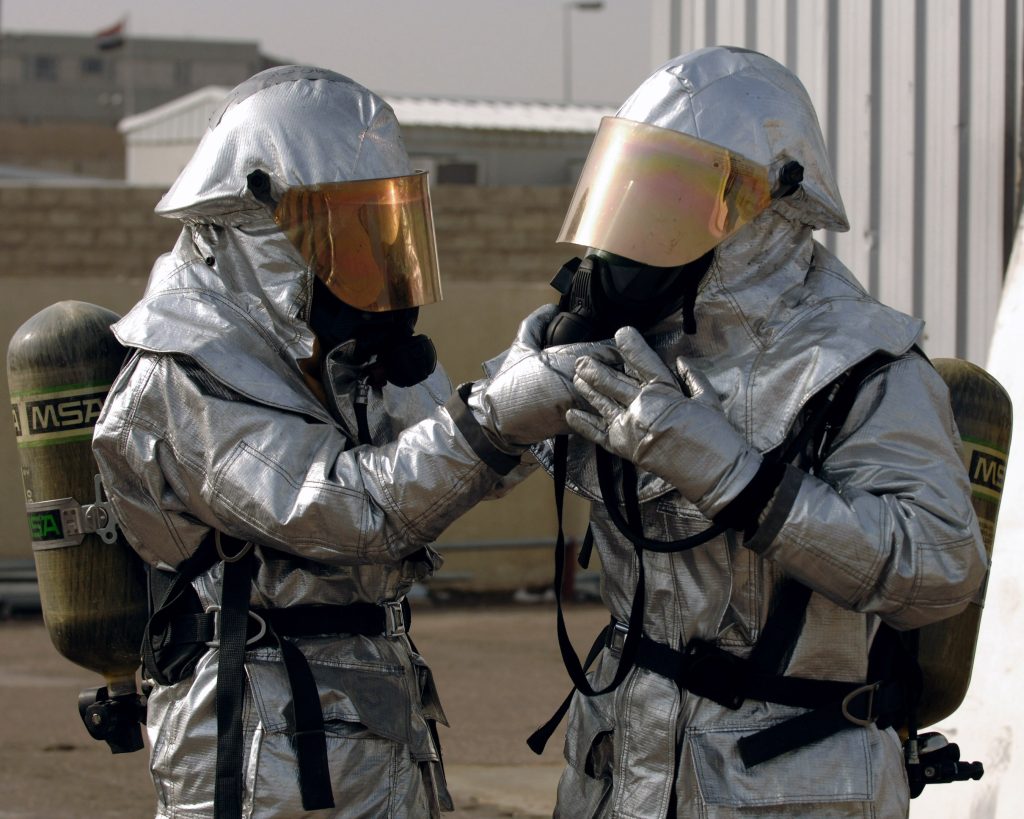 The difficulty of losing a loved one is compounded when death results from a faulty product. Further anguish occurs when a lawsuit against the defective product manufacturer is dismissed, barring recovery. It is essential to be aware that there are many deadlines and requirements to comply with to avoid the dismissal of a lawsuit. This is the situation in which the Lemieux family found themselves following their loved one’s death.
  Sometimes, whether your case takes place in federal court or state court may be out of your hands entirely. Other times, it may be possible for the case to take place in either court. In such situations, it is important to understand possible differences and advantages between state and federal court. When one party wants the case in federal court and the other wants it in state court, things can get tricky, as a 2017 case from the United States Court of Appeals for the Fifth Circuit shows.
 When an employee is injured on the job, workers’ compensation insurance often delivers more expediently than going through the courts. Unfortunately for the employee, it is also often less money than an injured employee could be awarded by suing the employer. As a Baton Rouge man recently learned, your type of employer can determine whether or not you’re able to sue your employer for work-related injuries.
  In personal injury cases, the plaintiff can only successfully prove the defendant’s negligence if a legal duty of care exists. Where there is no duty of care as a matter of law, a trial court can dismiss the lawsuit by summary judgment. So, when a defendant files a petition for summary judgment claiming that no duty exists, he is saying that even if all of the facts alleged by the plaintiff are true, there still is no duty of care owed by the defendant to the plaintiff.
 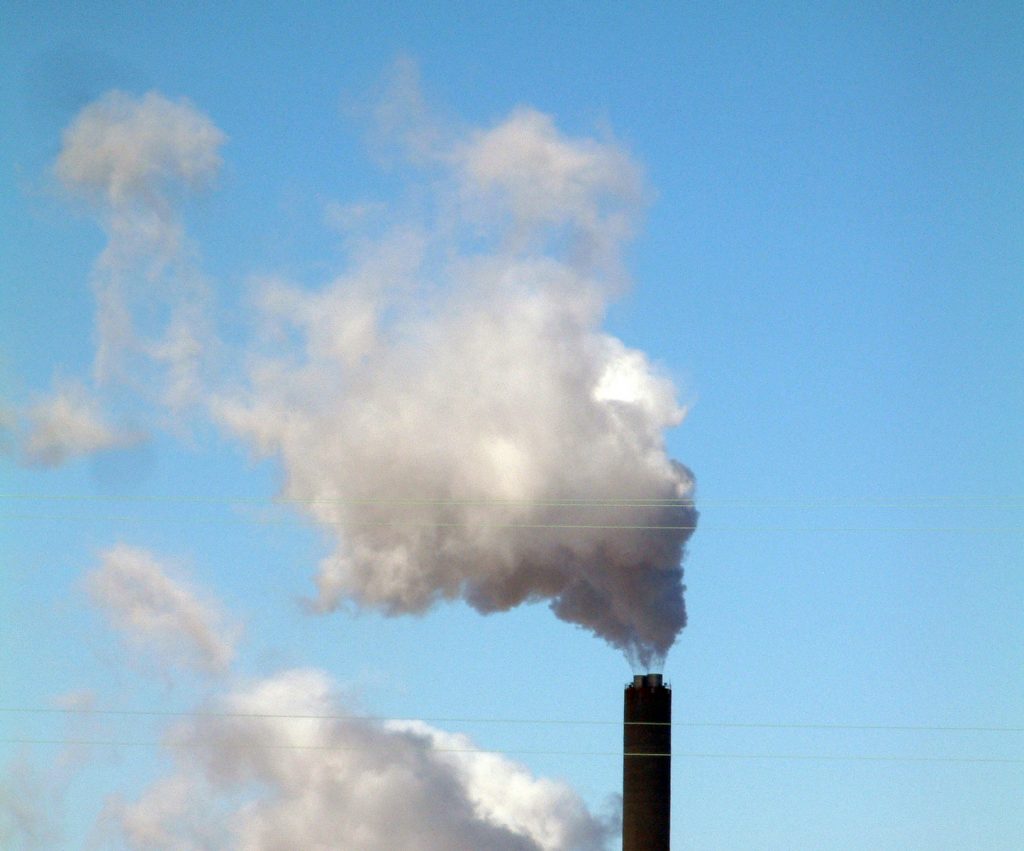 A common tactic of defendants is to attempt to remove a case from state court to Federal Court if there is the slightest indication that such removal might be proper. Depending on the case, however, it may be more advantageous to a plaintiff to keep the case in state court. Without even concerning the merits of the case, a battle ensues costing time and money. In any case, where the Federal Government is even remotely involved, removal will likely be an issue. How can a plaintiff successfully keep their lawsuit in state court when the Federal Government is involved? Recent Louisiana asbestos litigation provides at least one way.
  It seems that asbestos can be toxic not only to people, but also to companies as well. Anco sold, distributed, repaired, and installed insulation materials containing toxic asbestos that can cause mesothelioma and cancer from 1972 until the early 1980’s. The company based in Louisiana conducted business in Louisiana, Mississippi and Texas during that time. As a result, it has faced upwards of 2700 lawsuits across the three states.