Louisiana Personal Injury Lawyer Blog


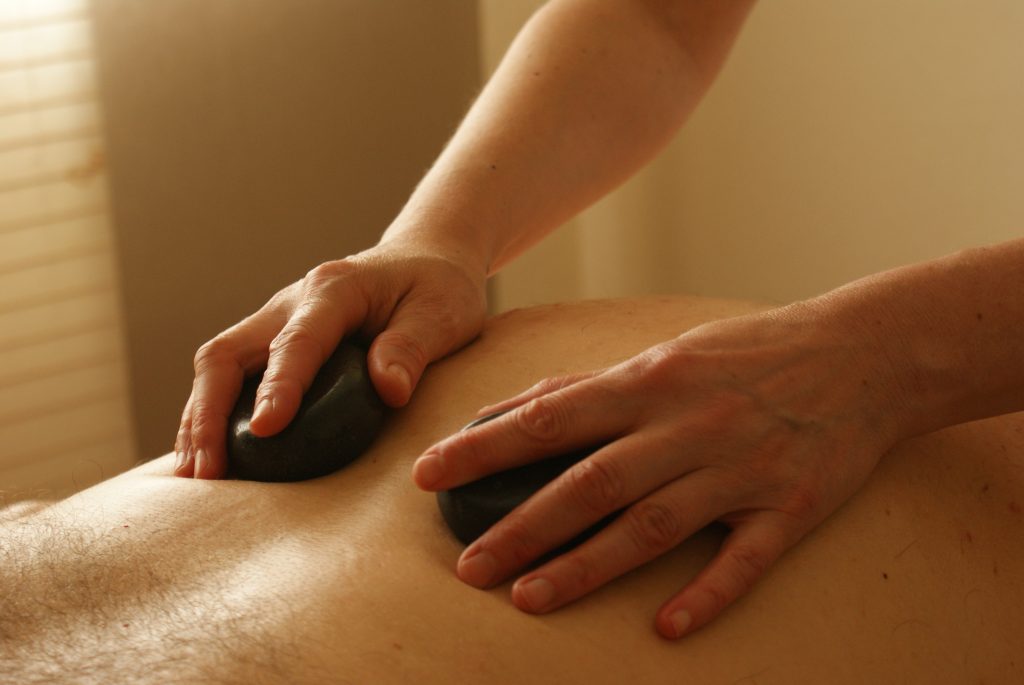 Spas, health clubs, and wellness retreats are a few places that prioritize the self-care of their patrons, offering relaxing services like manicures, mud baths, and massages. These places also owe a legal duty to their patrons by using reasonable care to avoid causing any injuries. After a massage went wrong at Massage Envy (ME), a jury for the Fifteenth Judicial District Court for Parish of Lafayette (“District Court”) awarded the plaintiff, Julie Roy (“Roy”), $65,000.00 for her future medical expenses. Dissatisfied with this outcome, Roy appealed to the Third Circuit Court of Appeal for the State of Louisiana (“Circuit Court”), claiming that the jury failed to award her sufficient damages to cover her future medical expenses, especially in the light of her physician’s testimony.
Roy’s injuries at Massage Envy resulted from falling off a massage table. Originally, Roy had scheduled a 90-minute massage, but she asked the massage therapist to stop after about 45 minutes, half of her scheduled time. The massage therapist, who was over six feet tall, had raised the massage table to reach Roy better during the massage. However, before Roy got off the table, the massage therapist left the room without lowering the table back to its standard height. Therefore, when Roy attempted to get off the table, she lost her balance and fell, injuring her knee, shoulder, back, and neck. Before leaving Massage Envy, Roy reported her injury to the management there.
A year later, Roy sued ME for her fall injuries. A jury returned a verdict, finding equal, 50/50, fault of both Roy and ME and awarding $65,000 to Roy for her future medical expenses along with damages for her past medical experiences and general damages. Yet, Roy appealed this decision to the Circuit Court, arguing that the jury’s award of $65,000 for her future medical expenses was an abuse of discretion because it ignored the testimony of her physician.
 When a case ends at the trial court level, the judge signs a physical order document laying out the court’s decisions. This physical order document is called a final judgment; every case will only have one final judgment. Final judgments cannot be amended easily by either the trial court or the parties. The only permissible amendments are those that fix basic errors, such as spelling or arithmetic; all other modifications or changes should be brought up on appeal or in a motion for a new trial.
  If you slip and fall at a store, you might think the store will be liable for your injuries. However, to succeed in a slip-and-fall claim in Louisiana, there are various elements you must show before you can recover. You might not recover for your injuries if you do not provide evidence to support your claims.
 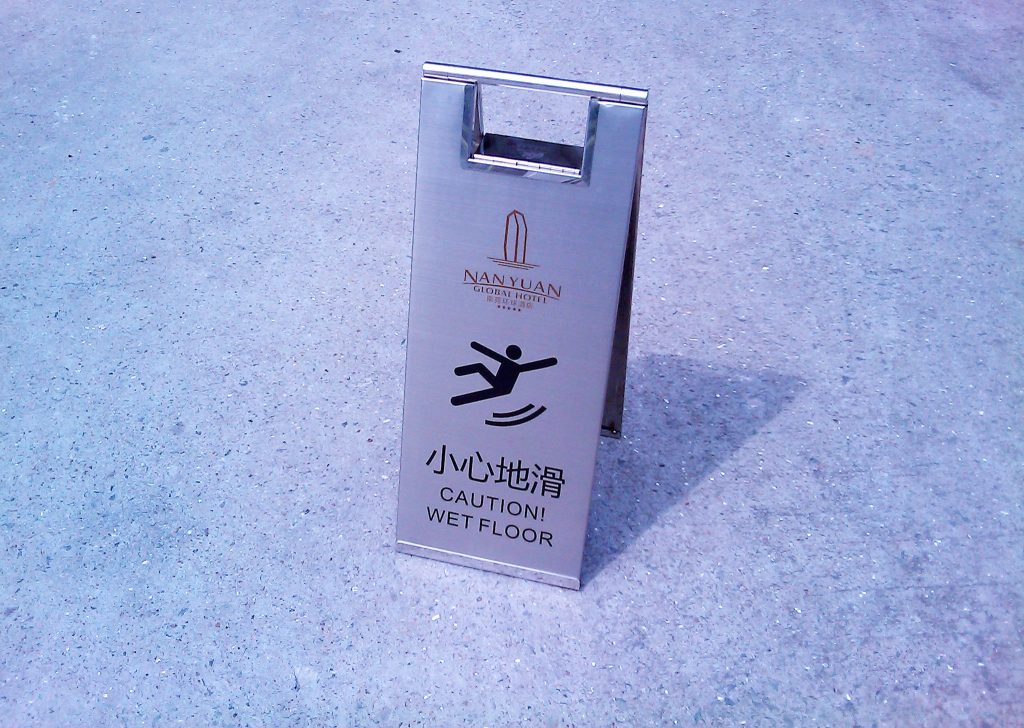 Slip and fall claims are among the most common types of personal injury lawsuits. But how do you ensure that your claim makes it through the legal process? A dismissed case against a Metairie restaurant can show you what mistakes to avoid in setting up your slip-and-fall claim for success.
  Personal injuries occur every day in society and should be taken seriously. Yet, courts must judge the importance of each accident. As a result, not all injuries are ruled in favor of the injured individual. A lawyer representing an injured person must investigate the circumstances and facts surrounding the injury with due diligence. The lawyer must show the court that his client’s case should be heard because the evidence says so. However, when video evidence of a slip and fall injury in a hospital is not obtained, should a court allow the lawyer to continue investigating his client’s accident? A case out of Baton Rouge explores this question and reminds lawyers of their responsibility to act diligently in attaining evidence for their clients.
 Have you ever noticed that running alongside power lines are other types of cables? They are not easily distinguishable from one another, but communication lines and support lines also run along our electricity source. Looking so similar, it would be hard for an ordinary person to tell to whom each line belonged. One New Orleans man’s inability to determine the owner of such a wire almost prohibited him from filing a lawsuit against a well-known communications company.
  Tripping over a ledge in public can be both embarrassing and painful. Sometimes the fall can result in serious injuries. Who should be at fault for any damages sustained? As with many legal issues, it depends. Unfortunately for one woman in Covington, Louisiana, the apparent nature of the ledge, coupled with her own activities contributing to the fall, led the Louisiana First Circuit Court of Appeal to dismiss her case.
  A customer sustaining severe and permanent injuries from a slip and fall accident at a business can cause one to wonder about the potential liability of the business owner. This can become even more complex in a situation where the business owner has leased the unit from the party that owns the building. A building owner may be liable for the injury, even when the unit has been leased out.
 The following scenario is not uncommon. Person enters restaurant without incident. Same person exits restaurant, fails to notice the one-step curb just beyond the door, falls, gets injured, and files a lawsuit against the restaurant. When is a restaurant owner responsible for such an incident? A recent case out of Baton Rouge explored this question and provided useful guidelines for owners and patrons alike.