 Louisiana Personal Injury Lawyer Blog


 The 1985 murder of Denise Porter by stabbing was a horrific tragedy with life-altering ramifications for her husband, Joel, a Louisiana attorney. It also provides an example of how records from a criminal investigation can and cannot be requested.
In Louisiana, immediate family members (i.e., the surviving spouse, children, grandchildren, or siblings) of a person who died of unnatural causes are entitled to obtain, after ten years has elapsed, unlimited access to investigative records pertaining to the death. La. R.S. 44:3(F).
While the statute provides a straightforward answer to who can obtain these records and when they can be requested, the element of how the information can be accessed created complications for Joel Porter. Record requests must accord with the limitations defined in other applicable laws, for example, Louisiana Code of Evidence, articles 507 and 508, explaining how attorneys can be approached about privileged information.
 When accidents occur on a construction site, questions of liability and responsibility arise, leaving property owners wondering about their potential legal obligations. In a compelling lawsuit from Alexandria, Louisiana, the issue of whether a homeowner can be held liable for injuries sustained by a roofer while working on their property takes center stage. The case of Robert Schram v. Ronnie Waters provides valuable insights into this perplexing matter, shedding light on the factors determining a homeowner’s liability when a roofer falls from their roof.
 Getting workers’ compensation from an employer is already difficult, but it is even more so when the claim is filed in the wrong court. Although employees are entitled to workers’ compensation, the claim has to be filed in the correct jurisdiction. The following case shows what happens when you are injured while working and attempt to file a claim for workers’ compensation in a state where you were not employed.
  It is well known that every court order contains a physical copy declaring what the verdict of the case is, otherwise known as a final judgment. However, the order must contain what we call “decretal language.” But what in the world does that mean? The Louisiana Third Circuit Court of Appeal discusses this question and when a final judgment can be amended to contain all the necessary language crucial for the order.
 Suffering an on-the-job injury is a challenging experience that involves physical recovery and navigating the complexities of the worker’s compensation system. Determining when and how to return to work can be daunting in such situations. The questions surrounding medical examinations and the responsibility of companies to provide additional medical advice or inspections when an employee is injured are examined in the following case.
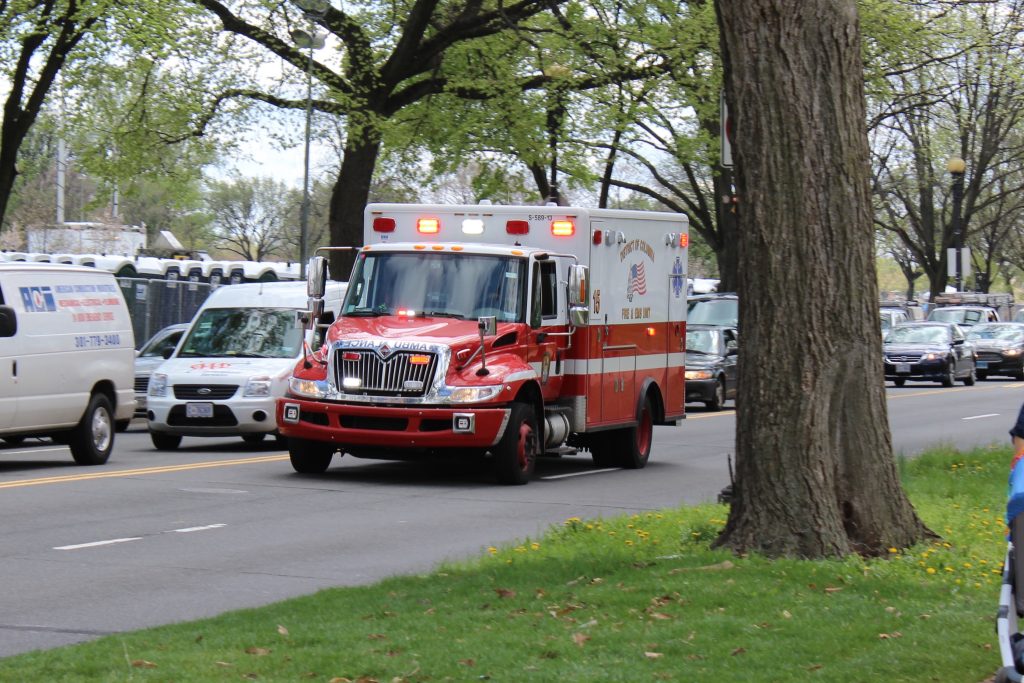 In the face of a potentially unlawful termination from your job, navigating the legal landscape can be daunting. If you suspect that you have been fired unjustly, it is essential to understand the critical elements required to bring a lawsuit against your employer for wrongful or retaliatory discharge. A recent Lafayette Parish case highlights the essential evidence to support a retaliatory discharge claim. It highlights the importance of seeking legal guidance when faced with such a situation. By delving into the details of this case, we can uncover the necessary proof required to establish a compelling retaliatory discharge case and empower individuals to protect their rights in the workplace.
 New Orleans is well-known for extravagant and entertaining Mardi Gras parades. What happens when an unknown tortfeasor injures someone during a parade? As the following case demonstrates, the claimant only has a certain amount of time to bring a lawsuit against the wrongful party, or they risk dismissal of the claim.
 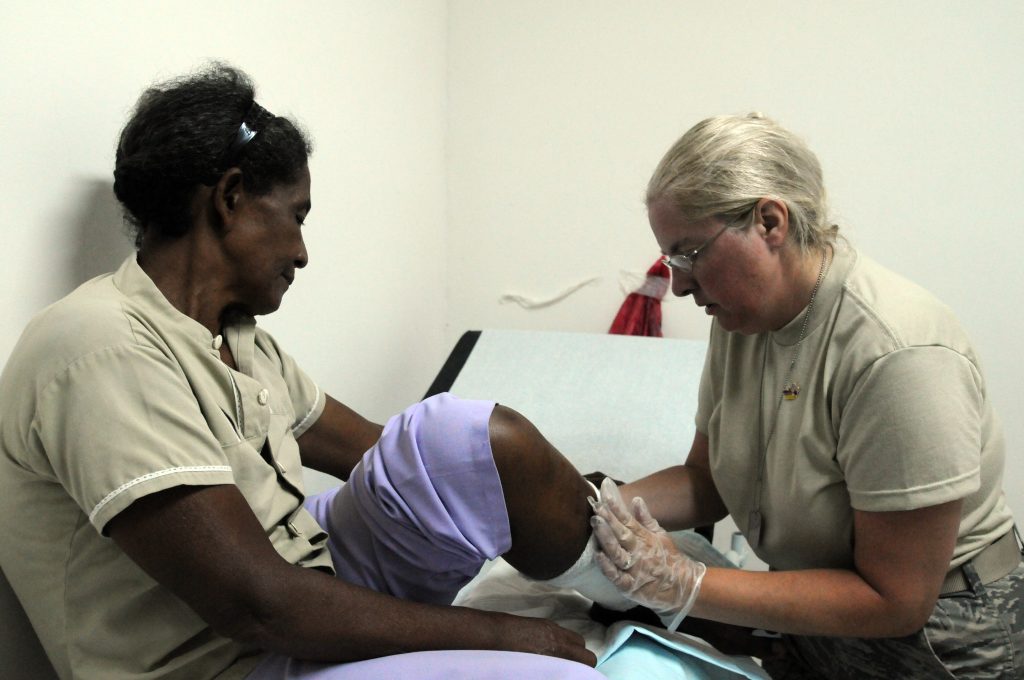 Medical malpractice claims typically involve allegations of negligence during a medical procedure. However, the following case presents a unique scenario where the alleged injury occurred after the procedure was completed. It examines the legal considerations and challenges in such situations, emphasizing the importance of evidence and expert testimony in establishing a breach of the applicable standard of care.
 Parents can imagine all sorts of dangerous situations their children could find themselves in walking to school – kidnappings, getting hit by a car, bullying. But what happens if the cause of the injury was a defective sidewalk the city was supposed to maintain? Can the city be held liable? The following case examines the liability of a city when a teenager is injured due to a defective sidewalk in front of her high school.
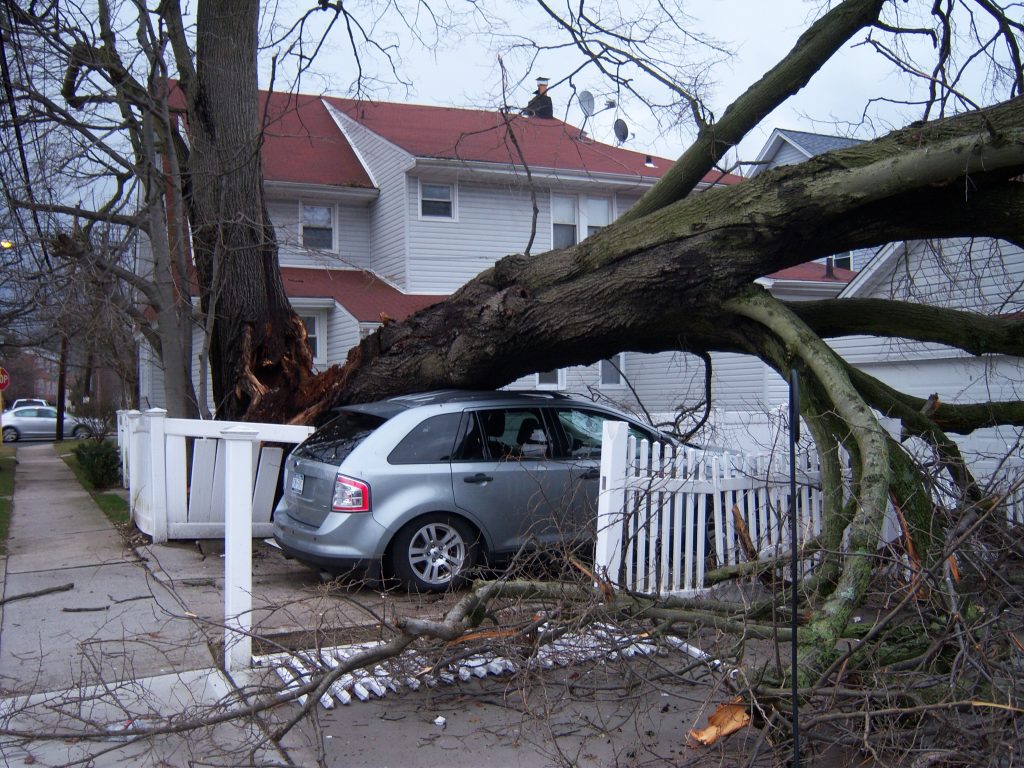 Borrowing a car from family or friends is a common occurrence. While you might think your car insurance protects you in the unfortunate event you are involved in a car accident while driving the borrowed car, it is essential to be aware of exclusions that might apply to your insurance coverage. This case involves a policy exclusion that applied to property damage caused to the borrowed car.