 Louisiana Personal Injury Lawyer Blog


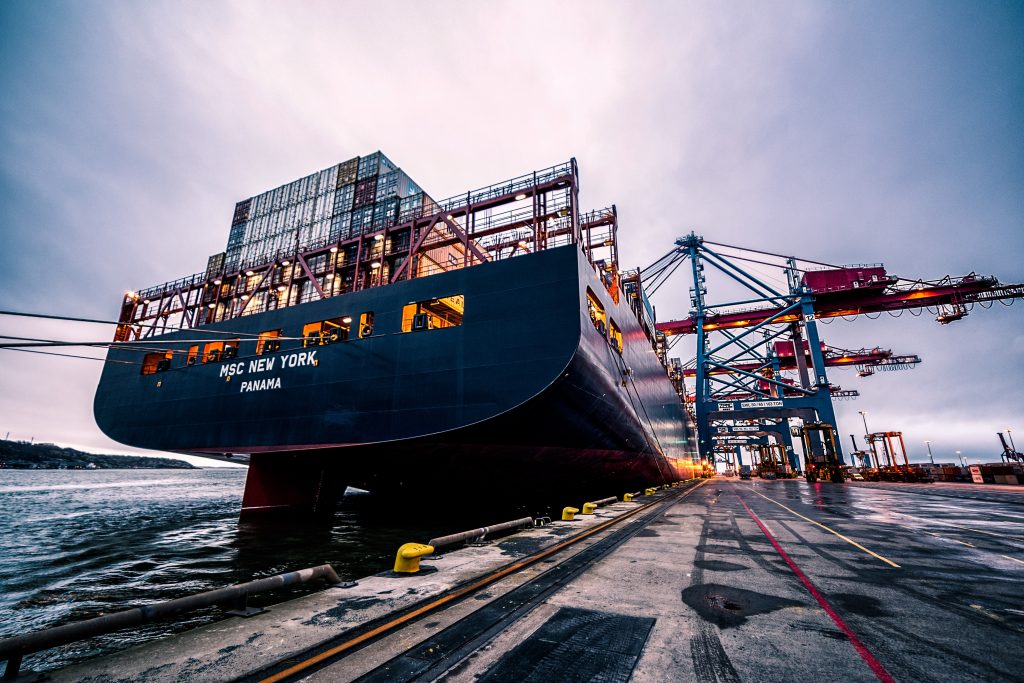 There are unique laws governing benefits and remedies for injured seamen. It is important to know the specific laws and defenses applicable to claims as an injured seaman.
Mr. Bourdreaux hurt his body including his back while working for Transocean and they paid for his living and medical expenses as required when a seaman gets injured on the job, as well as an allowance for food, for five years. BX sued them for additional money and also sought increased damages for the mismanagement of past benefits. He also sued for other claims under the Jones Act. See Pub. L. No. 66-261, 41 Stat. 988 (1920).
During discovery, Transocean found that BX failed to notify the company of past back problems in the medical questionnaire he was given prior to his employment. As a result, they filed a partial summary judgment on the claim for more money relying on the McCorpen defense, which allows a company to avoid paying a claim if previous medical problems were not disclosed. See McCorpen v. Cent. Gulf S.S. Corp., 396 F.2d 547, 549 (5th Cir. 1968). The district court agreed and granted summary judgment on those claims. Transocean also filed for summary judgment on the negligence and unseaworthiness claim, but the motion was denied by the district court. Furthermore, Transocean filed a counterclaim against Bourdreaux seeking to recover the payments; however, the parties settled prior to the Court’s ruling on that issue.
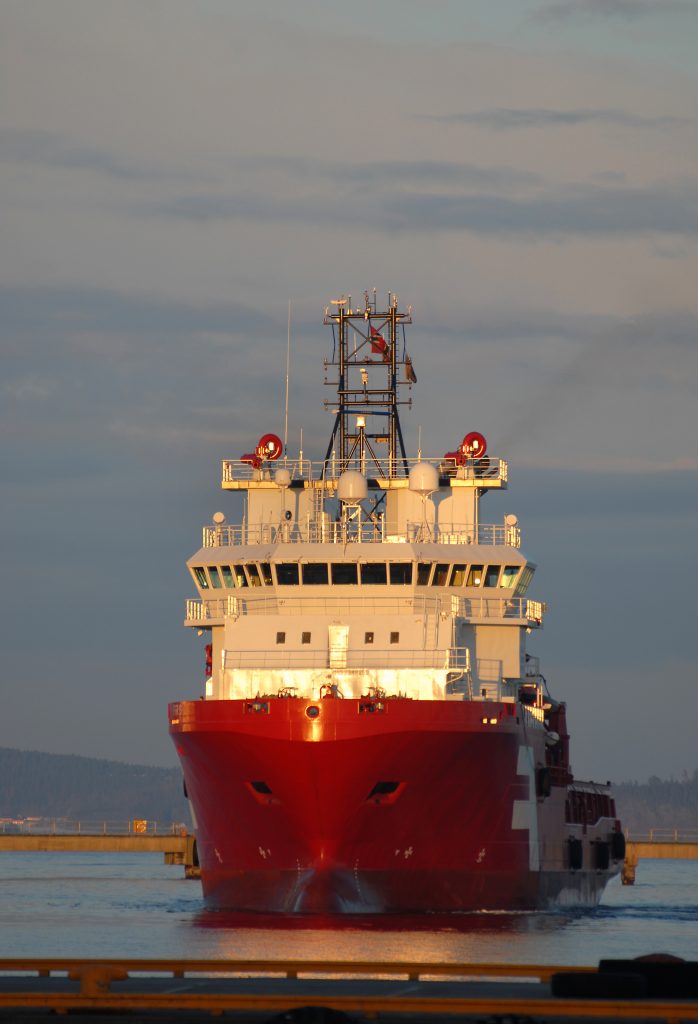 Contracts between parties working toward a common goal can sometimes result in detail-oriented litigation when something goes wrong. When those parties need to subcontract with a third party, the responsibility for that third party if something goes wrong can be a point of contention.
 Worker’s compensation (WC) is a system designed to compensate workers for injuries that occur on the job. The system also helps to spread the risk of loss among numerous employers, similar to an insurance arrangement that employers pay into. Still, employers have an interest in ensuring that WC claims are valid in order to keep overall costs down. As a result, WC cases can lead to bitter disputes between workers and their employers.
 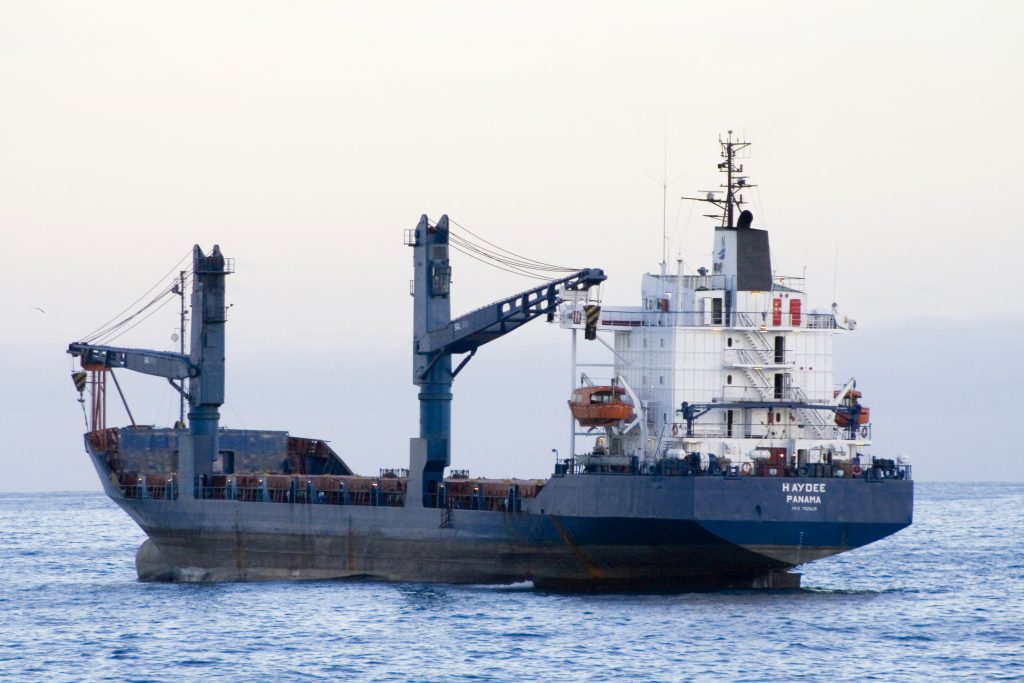 Long considered “wards of admiralty,” courts carefully scrutinize the treatment of seamen, particularly in cases where substantial legal rights are involved. One such case involves the execution of a release with a seaman, particularly when the seaman is unrepresented and in claims of personal injury. Generally, in a personal injury case, a release is a legal agreement that serves to settle the claims between the parties and terminates the injured party’s right to seek damages in court.
 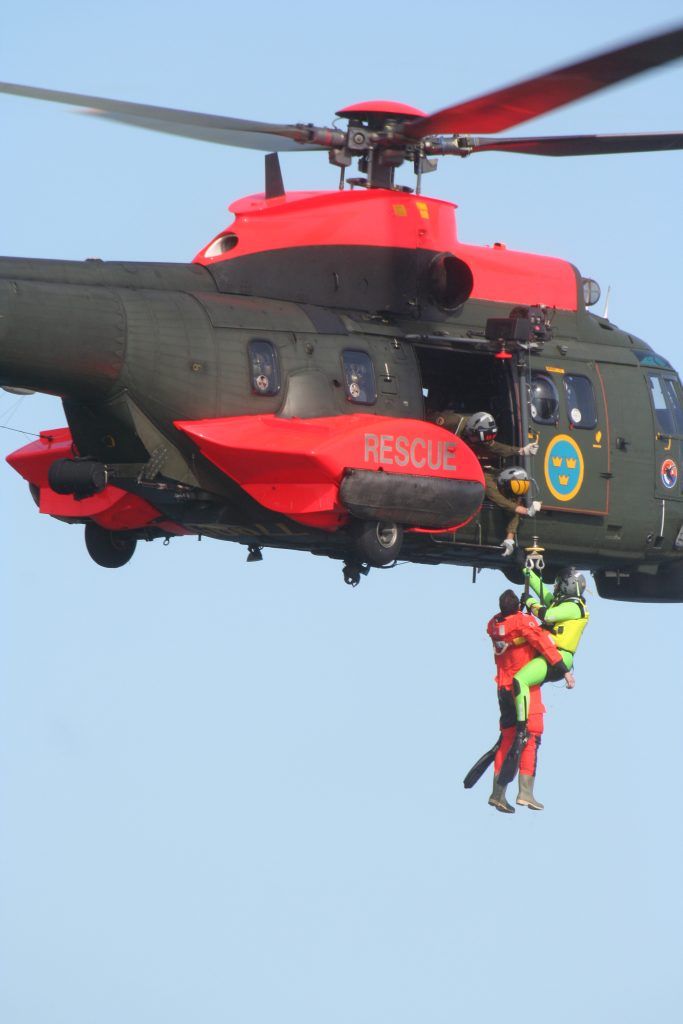 For a negligence lawsuit to have any chance of survival, an essential element is to show the plaintiff had damages. Often these damages are obvious physical injuries. Sometimes however, damages claimed are for emotional distress. Due to its intangible nature, emotional distress can be extremely difficult to prove and a lawsuit for such damages can be equally difficult to maintain. In a recent case out of the Parish of Lafayette, a Louisiana man failed to prove all the necessary elements to sustain his emotional distress lawsuit despite the lawsuit centering on a helicopter crash.
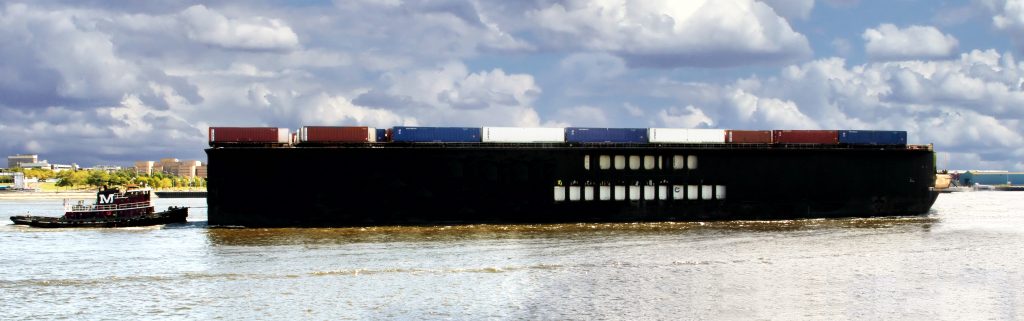
  Waiting until the last minute to do almost anything is not recommended but it is especially true if you are seeking to bring a claim for damages. That is what some fishermen found out when they sought to bring claims under the Oil Pollution Act of 1990 (OPA) for damages that resulted from an oil spill. The oil spill came from a barge owned by American Commercial Airlines, LLC (ACL) that had been involved in a collision on the Mississippi River in the Port of New Orleans on July 23, 2008.
  The fate of a claim brought under the Longshore and Harbor Workers’ Compensation Act (“LHWCA”) is often determined based upon the weight the Administrative Law Judge (“ALJ”) gives certain evidence. But how should the ALJ weigh conflicting evidence from different sources? This question was recently addressed by the United States Fifth Circuit Court of Appeals in Petron Industries Inc. v. Courville.
 In the insurance industry, one of the most important issues to consider when determining whether a claim is covered under a policy is the wording of the contract. Whether it is home, auto, life, or, as in this case a marine insurance policy, the exact words of the contract will control whether or not a specific claim will be paid out. Equally important are the laws which will control how those words are interpreted. And in a recent case out of Louisiana, one insured was out of luck over the interpretation of one small word.
  Decisiveness can be an excellent quality, especially in a judge. Court dockets are usually quite full and it can take a very long time for cases to be resolved. Whenever there is a confusion over which law to apply, however, patience is the greater virtue. In a lawsuit, lawyers will often request relief under various laws in hopes that one will bring success. In a recent case out of Venice, Louisiana, the Louisiana Fourth Circuit Court of Appeal reminded an Office of Workers’ Compensation Judge (“WCJ”) just how important patience is when issuing an order in a case with competing theories of recovery.
 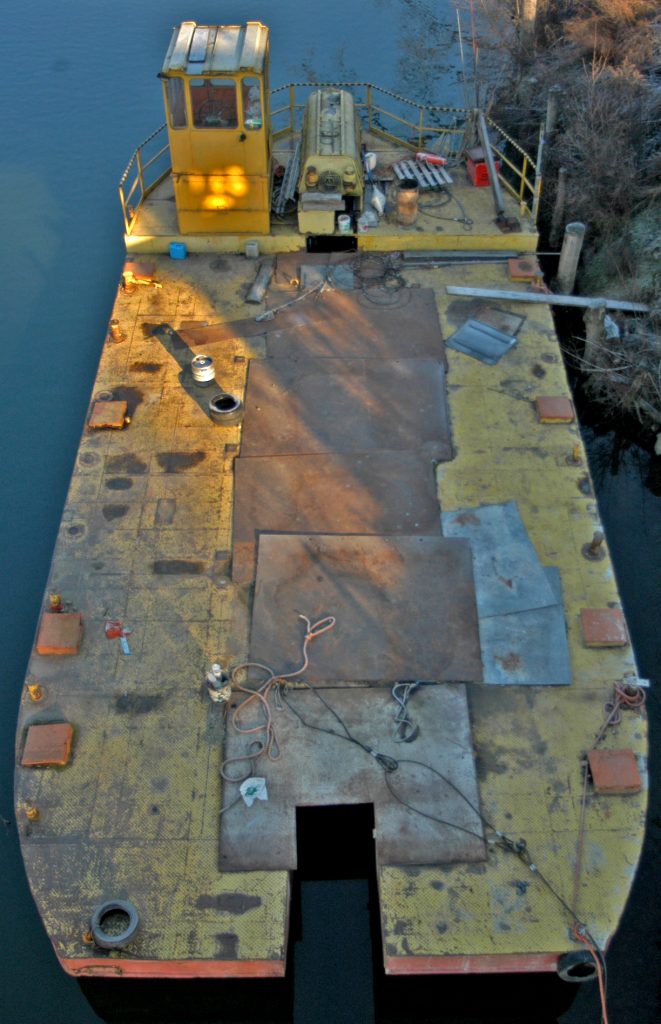 Sometimes we are asked to do a task at work that we do not feel qualified to perform. We think things like, “Hey, that wasn’t in my job description.” Well, that’s essentially what happened to Mark Barto but, unfortunately, attempting to perform his assigned task resulted in a back injury that led Mr. Barto to file a lawsuit.