 Louisiana Personal Injury Lawyer Blog


 When you enter a store or place of public accommodation as a customer, there is a certain expectation of safety. Many customers expect stores to provide clean bathrooms and a slip-free environment. This, however, was not the case for Valencia Lewis when she was walking through a New Orleans casino.
Lewis was walking through Harrah’s Casino in New Orleans when she slipped and fell on the marble floor. After her fall, Lewis’s husband and son came to help her back to her feet. Lewis, her husband, and her son reported seeing “a little white stuff” on the floor. A Harrah’s employee identified this substance as a “smushed grape.” Ms. Mayshack, Harrah’s on-duty supervisor, noted that a substance “like melted cheese” was on the floor after Lewis’s fall. Another employee, however, reported that he did not see any smashed fruit on the ground after Lewis’s fall. During discovery, a video depicting Lewis’s fall was produced. This video, however, did not show any substance on the ground before Lewis’s fall.
In her complaint, Lewis alleged that Jazz Casino, owner, and operator of Harrah’s, failed to (1) properly maintain the premises, (2) provide a reasonably safe surface for customers to walk on, (3) provide any warning of the dangerous condition and (4) inspect the area where Lewis was injured. Jazz Casino filed for summary judgment, arguing that there was no factual support for several elements of Lewis’s claim under Lousianna’s Merchant Liability Statute La. R.S. 9:2800.6. For instance, Jazz Casino argued that Lewis could not show whether (1) the food on the floor presented an unreasonable risk of harm that was reasonably foreseeable; (2) Jazz Casino created the risk of harm or had actual or constructive notice of the condition before Ms. Lewis’s fall, and (3) Jazz Casino failed to exercise reasonable care to keep the aisles and walkways free of hazardous conditions.
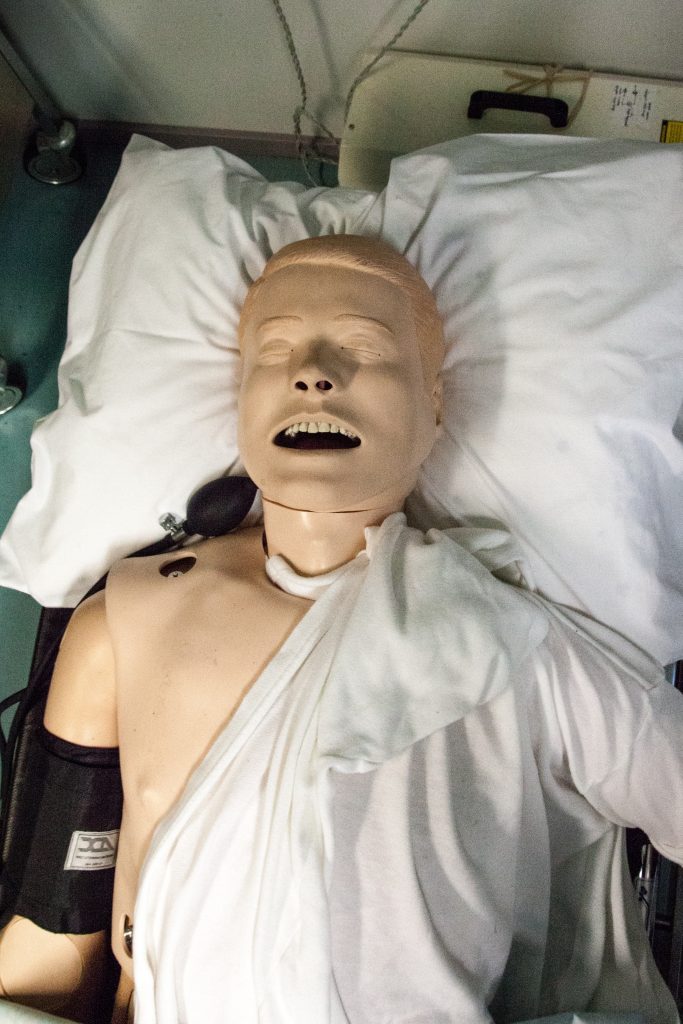 The prospect of undergoing medical procedures carries inherent risks; sometimes, unfortunate incidents can lead to injuries. In such cases, individuals can pursue medical malpractice claims to seek compensation for damages. A crucial aspect of these claims is presenting the appropriate evidence and adhering to procedural requirements. A telling illustration of the importance of these procedures is found in a lawsuit involving Elliott R. James and Lakeview Medical Center, LLC. This case underscores the significance of following legal protocols and obtaining substantial evidence to bolster a medical malpractice claim.
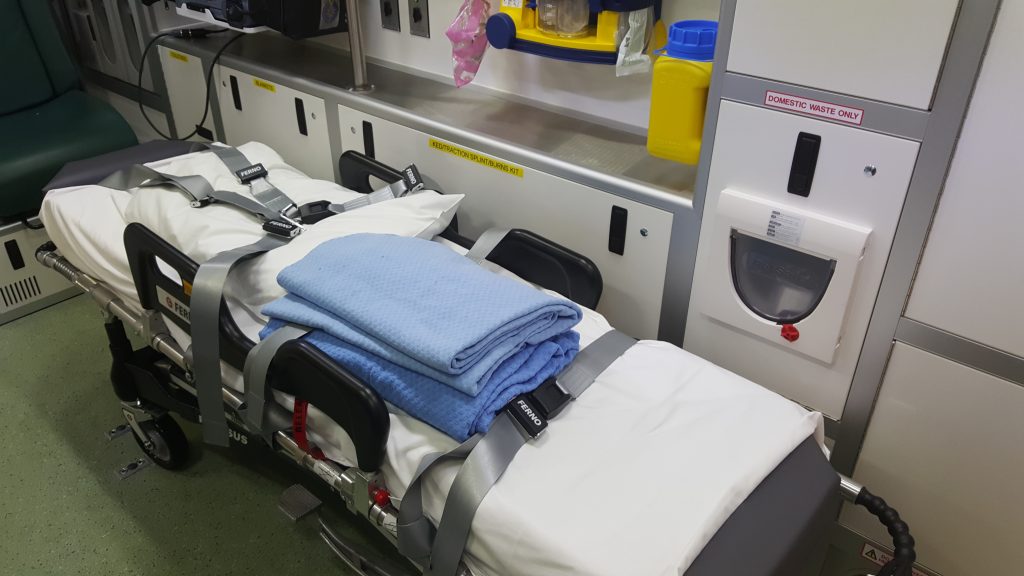 When medical emergencies strike, the rapid response of emergency medical technicians (EMTs) can mean the difference between life and death. However, the high-pressure nature of their role can also give rise to complex legal questions when outcomes take a tragic turn. Richard Miller’s case sheds light on the intricate landscape of EMT liability, illuminating the balance between legal protections afforded to these healthcare professionals and the pursuit of justice for patients and their families. It also helps answer the question: Can an emergency medical technician or their employer be held liable when things go wrong?
  When multiple people are injured in the same incident, you might expect they are all eligible to recover the same type of damages, even if the precise dollar amount varies. This case indicates how the categories of damages awarded can vary by plaintiff, depending on the testimony and other evidence presented at trial.
  While headlines often tout substantial monetary awards for injured workers, the intricacies of such compensation might remain shrouded in mystery. Behind every high-stakes verdict lies a meticulous process of presenting compelling evidence to substantiate the array of damages claimed. In a recent case involving workers at a Firestone Polymers plant, the multifaceted nature of damages is unveiled, shedding light on the need for robust legal representation to navigate the diverse categories of compensation.
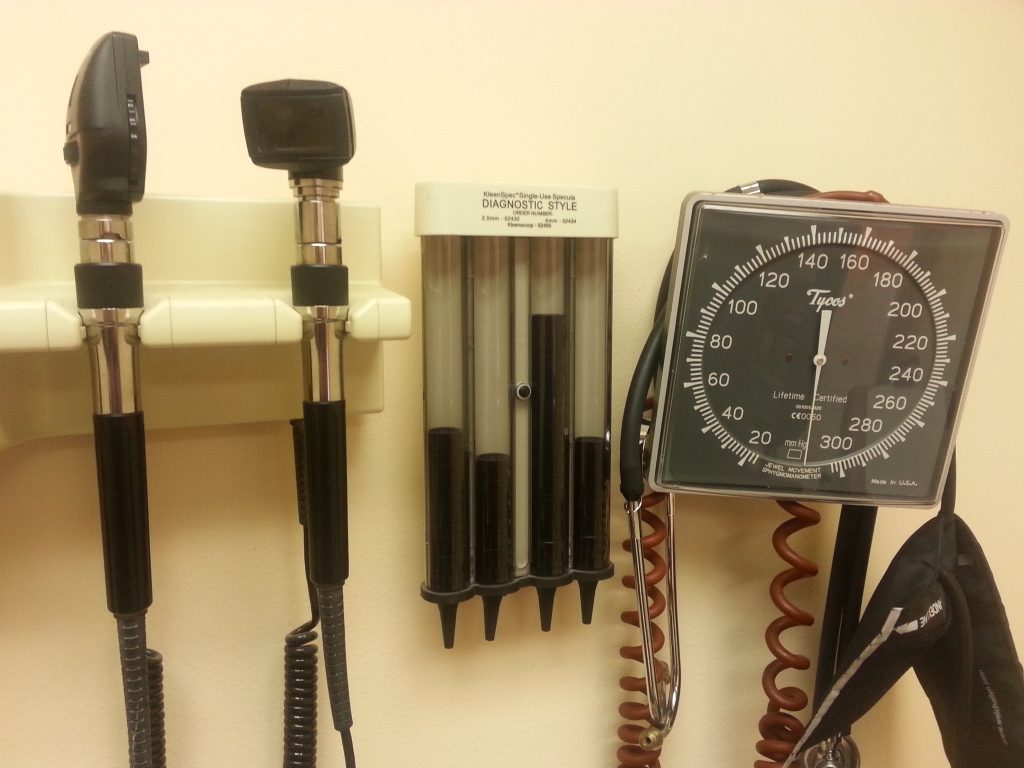 In the realm of medical malpractice, the intricacies of the legal process can often appear daunting, especially when juxtaposed against the heart-wrenching backdrop of a stillborn baby’s tragedy. K Arceneaux found herself entangled in this very confluence of circumstances, seeking justice for her devastating loss while grappling with legal procedure demands. As the mother’s quest for accountability unfolds, a crucial question emerges: Can a plaintiff prevail in a medical malpractice case without the indispensable backing of expert testimony?
 A homeowner’s insurance policy can help protect you if someone is injured on your property. However, like any insurance policy, a homeowner’s insurance policy can include many exclusions that limit what type of injuries your insurance policy will cover. If such an exclusion applies to your claim, your insurance company will likely try to claim it is not responsible for the pay the damages claimed. This can result in complex litigation, including complicated procedural devices such as the peremptory exception of no right of action at issue in the following case.
 Imagine walking through your neighborhood only to be seriously injured from tripping over a wire frame on a storm drain. The following case considers whether such a condition is open and obvious. This is an important consideration because if a condition is found to be open and obvious, then defendants do not have a duty to protect people from the condition.
  The vibrant spirit of Mardi Gras parades, with their kaleidoscope of colors and joyous revelry, often paints a picture of unadulterated celebration. Yet, beneath the surface of these festivities, unexpected tragedies can unfold, turning the jubilation into a legal labyrinth. Such was the case in Franklin, Louisiana, where a moment of revelry took a distressing turn as a float participant was tragically injured during a parade. What followed was a legal showdown, entangling federal regulations, contractual intricacies, and the question of liability. Amidst the sparkle and confetti, a courtroom drama unfolded, revealing the complex legal considerations surrounding the incident.
 At the end of a trial, you are focused on whether or not the Judge ruled in your favor. However, it is not enough to only know who won the case, especially if you are considering an appeal. This case indicates the importance of paying attention not only to the outcome but also to the language in the final judgment the trial court issues. Louisiana has strict requirements for language that must be included in a final judgment for it to be valid so that an appellate court can hear the appeal.