 Louisiana Personal Injury Lawyer Blog


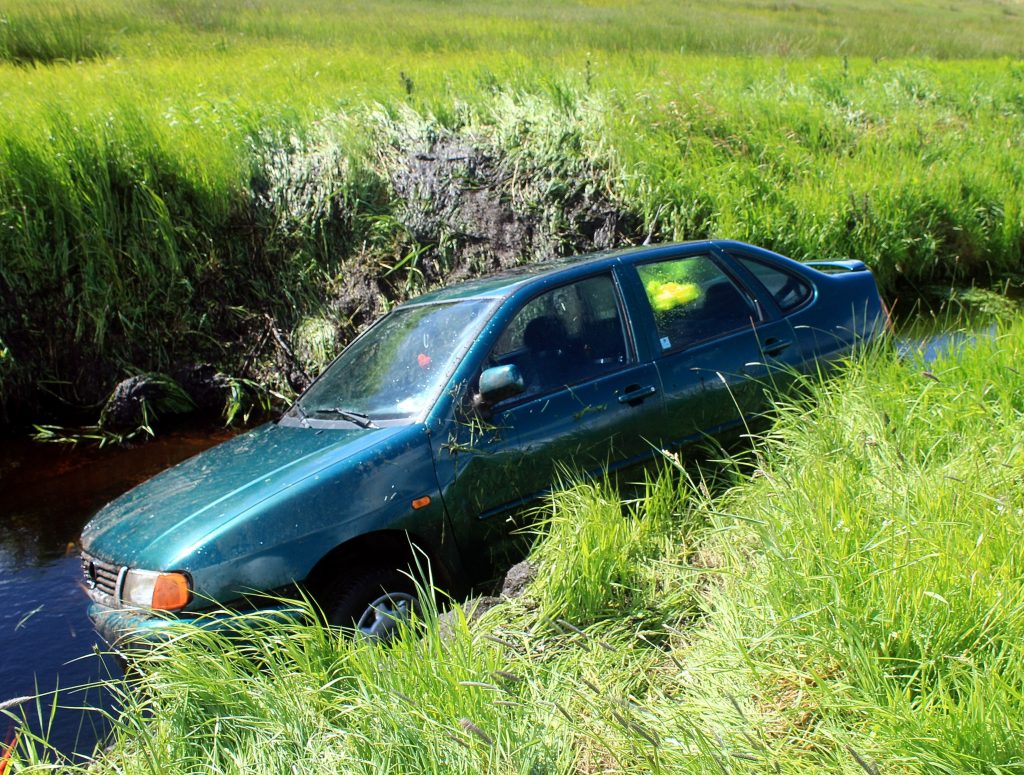 Have you ever been involved in a car accident? It’s a scary experience that can have serious consequences. If you’ve been injured in an accident, you may be entitled to compensation for your injuries and damages. But what happens when multiple parties are involved? That’s the question at the heart of a case out of Louisiana, where a car accident resulted in a lawsuit between multiple parties. The case raises important questions about the legal responsibility of parties in a car accident and the process for resolving disputes in court.
Shaw, a construction engineering company, allegedly had a labor agreement with HKA Power. The parties were bound by the Master Supplemental Labor Services Agreement (“Agreement”), which originally existed between HKA Power and Energy Delivery Services but was acquired by Shaw after the agreement was in place. According to Shaw, HKA Power was required to name Shaw/EDS as an additional named insured on their insurance policies once Shaw acquired EDS. The issue arose after a truck accident where Gregory Beasley, an HKA Power employee, was driving a truck owned by Shaw and rear-ended another truck driven by Justin Parker, injuring him and his passenger Gregory Gumpert.
Parker and Gumpert filed a lawsuit against Shaw, Zurich (Shaw’s alleged liability insurer), and Beasley. Zurich and Shaw then filed a third-party claim against HKA Power, alleging Beasley was an HKA Power employee and performed services for Shaw under the Agreement. HKA Enterprises, Inc. was later added as a third-party defendant, with Zurich and Shaw alleging HKA Enterprises was the parent company or successor entity to HKA Power and breached the labor agreement by not naming Shaw/EDS as an additional named insured.
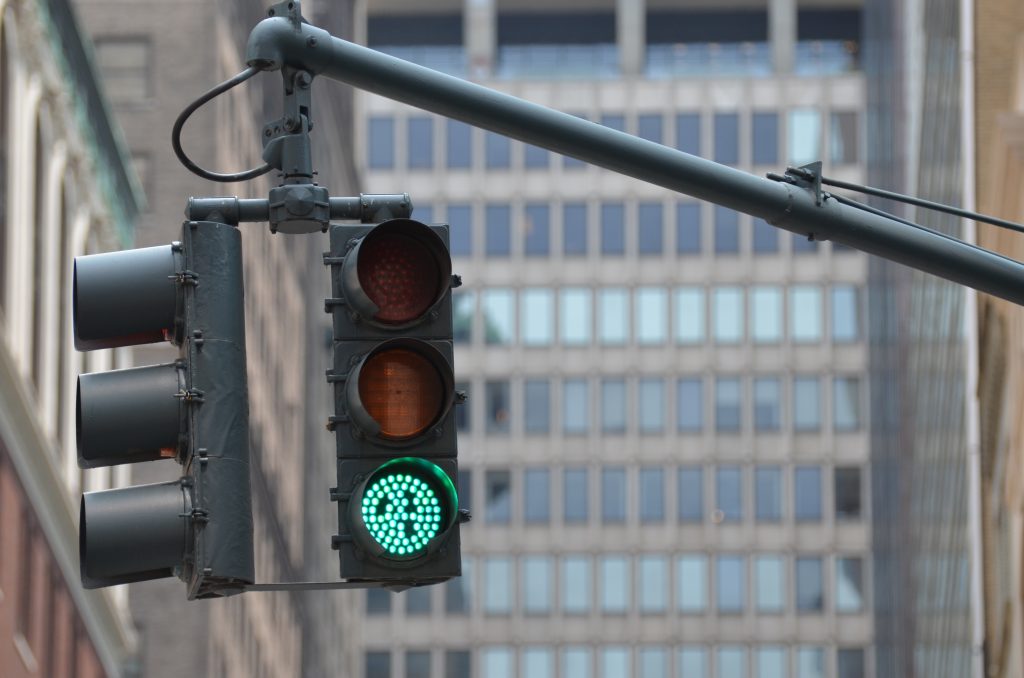 Cities need to ensure public utilities are safe and properly installed. Road fixtures, such as traffic lights and speed limit signs, are an essential part of infrastructure. When road fixtures are installed negligently, the public needs to be able to hold the liable parties accountable.
 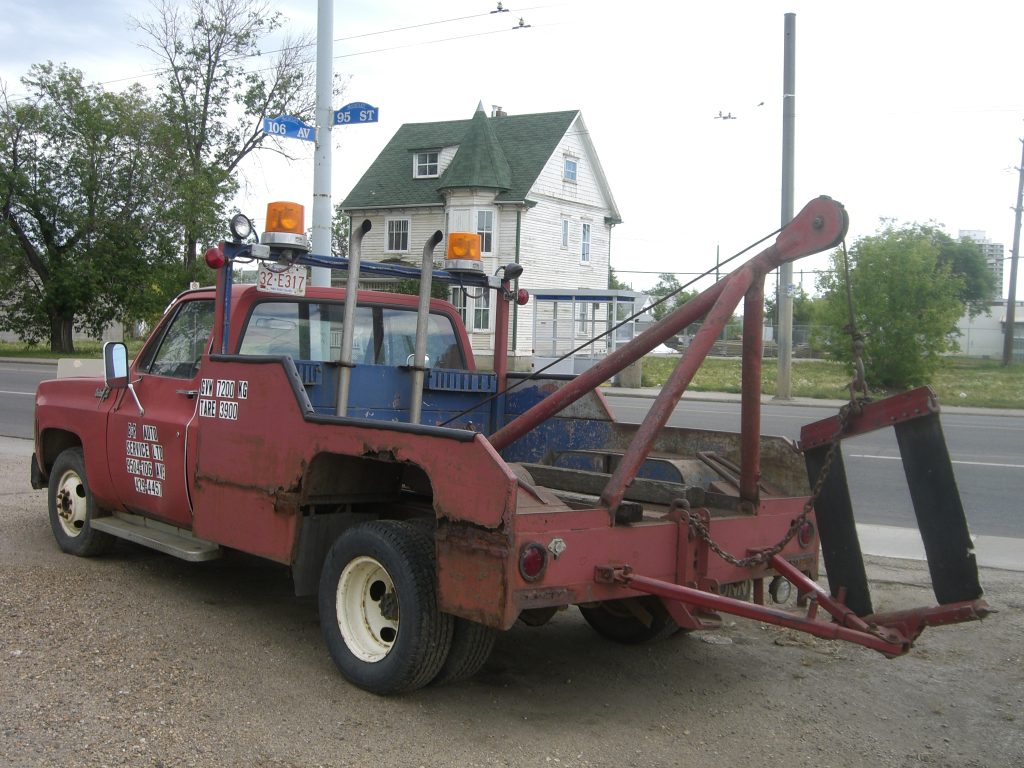 Personal injury cases can lead to placing the blame on a party so the injured person can receive compensation for her injuries. But what happens after a traffic miscommunication if both sides blame the other for the wreck? Further, what if their insurance companies are unwilling to take all the blame and pay for the accident? The only way to solve this dilemma is through a trial which can help apportion the fault of each side after weighing the evidence. The following case out of Marksville, Louisiana, shows how fault should be apportioned in a personal injury car accident.
  After a lawsuit, a trial is when each side can articulate their case theories. Usually, the culmination of a trial is a judgment that can be appealed. However, there are other occasions where the court can discuss the judgments besides an appeal. An alternative to an appeal is the petition for nullity, which may further examine the case and the court’s decisions. What is a petition for nullity of judgment, and how can it be used to overturn a jury verdict? The following lawsuit, Jefferson Parish, Louisiana, answers this question.
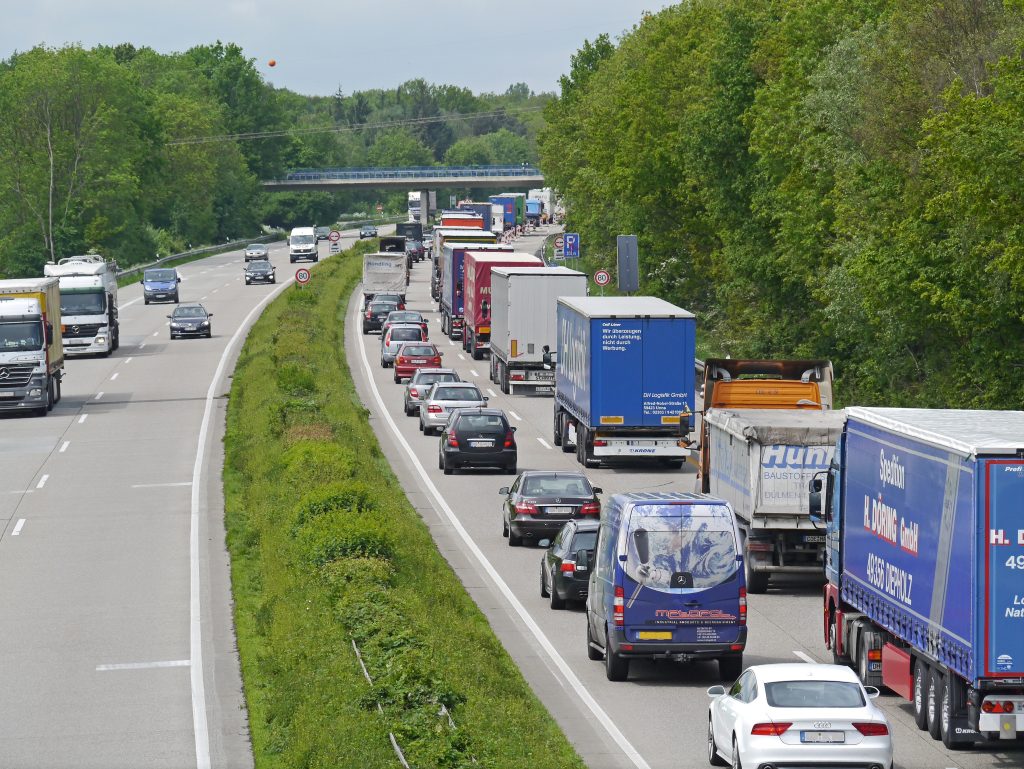 As the weather gets nicer across the country, millions will travel to destinations near or far. Unfortunately, with this increase in traffic, accidents will occur due to the negligence of drivers. But what happens when the roadway’s integrity and safety come into question? Can the state be held liable for a highway’s defects? – The following lawsuit out of Morgan City, Louisiana, helps answer that question.
 Driving while on the job can be a common occurrence for many employees. Sometimes you may even use your personal vehicle on a workplace errand. If so, beware; Accidents happen, and your employer’s insurance may not cover you.
  Aquisitive Prescription. It is a strange-sounding set of words, yet it can be vital in proving ownership of land and property in Louisiana. What exactly is it? The subsequent lawsuit helps answer that question and the following one: How can I prove ownership of land through acquisitive prescription in Louisiana?
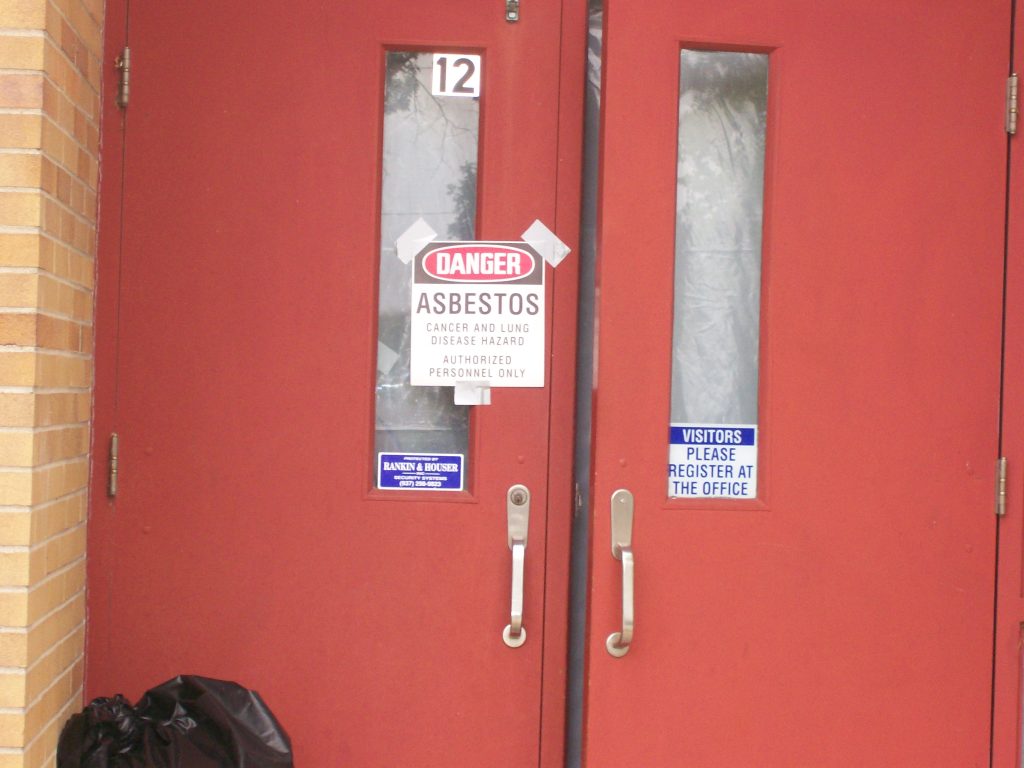 Although most people have heard of both state and federal courts, many do not know when a party in a lawsuit can move a case to a different court. This happened to Howard Zeringue, who first filed a lawsuit in Louisiana state court, but soon found himself in the United States District Court for the Eastern District of Louisiana after the company he sued removed the case to federal court. This case helps answer the question; My lawsuit was removed to Federal Court. What does that Mean?
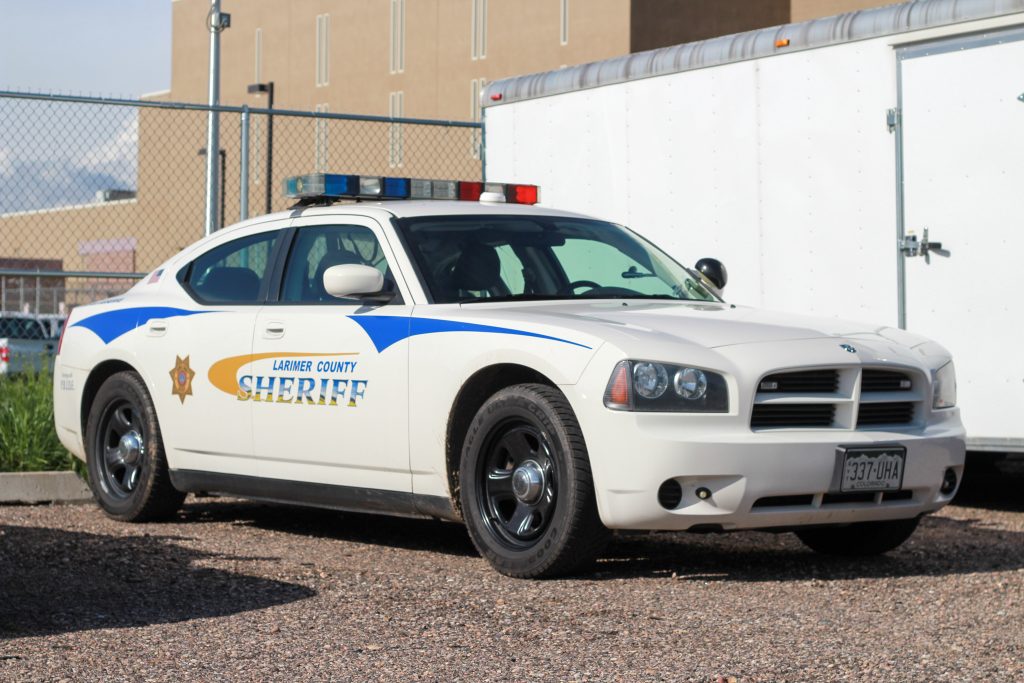 This scenario is not hard to imagine: you are driving along the road, and you get into an accident; however, the other vehicle is not just a regular car owned by a private citizen, but it is a dump truck owned by the local government. When suing a local governmental entity such as a sanitation department or police station, the injured party may face obstacles in naming precise owners of public vehicles or following procedural rules. A recent case out of St. Charles Parish demonstrates what kinds of procedural obstacles a plaintiff may face. It also helps answer the question; what happens if I name the wrong defendant in a lawsuit? Is my case over?
 Some doors, such as bathroom doors, are heavy and have quick automatic closing mechanisms attached. If a door of that nature hits you in the back on your way and knocks you down, who is liable? The following case out of New Orleans shows how courts deal with door-closing mechanisms and trip-and-fall lawsuits.