 Louisiana Personal Injury Lawyer Blog


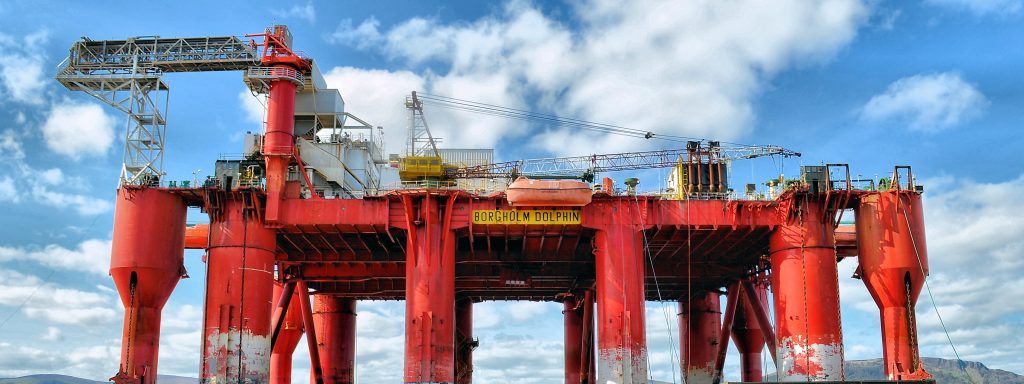 Everyone gets injured, but what happens when you are injured on the job and had been in an accident in the past? Does the court take that into consideration if you file a lawsuit, or does the court presume an accident was work-related? In one local case, the workers’ compensation judge found that the injury at issue was not caused by the work accident. The injured party, Todd Porche (“Porche”), appealed this determination.
Generally, when reviewing workers’ compensation cases, the appellate court must determine whether the commission’s conclusions are reasonable using the clearly wrong standard. Richardson v. North Oaks, 91 So.3d 361, 365 (La. App. 2012). If there are two acceptable views of the evidence, the fact finder’s decision may not be found manifestly erroneous, or clearly wrong. Here, Porche alleged that the workers’ compensation judge erred in denying the reopening of the case, which is within the discretion of the court. Reopening the case would have allowed Porche to prove causation.
On September 11, 2013, Todd Porche (“Porche”) was working for Guichard Operating Co., LLC (“Guichard”) when he fell between eight to fourteen feet onto a steel rig floor, where he allegedly injured his back and head. As a result, Porche received workers’ compensation benefits from the date of the accident through March 13, 2014. When Guichard terminated Porche’s benefits, the company alleged that Porche violated La. R.S. 23:1208 and 23:1208.1. If true, it would mean Porche forfeited all benefits and would owe the company restitution, interest, and costs. After a four-day trial, the workers’ compensation judge denied Porche’s claims.
 Can a court reinstate a former city employee’s job after being wrongly terminated? Well, fortunately for Mr. Turner, the answer is yes.
 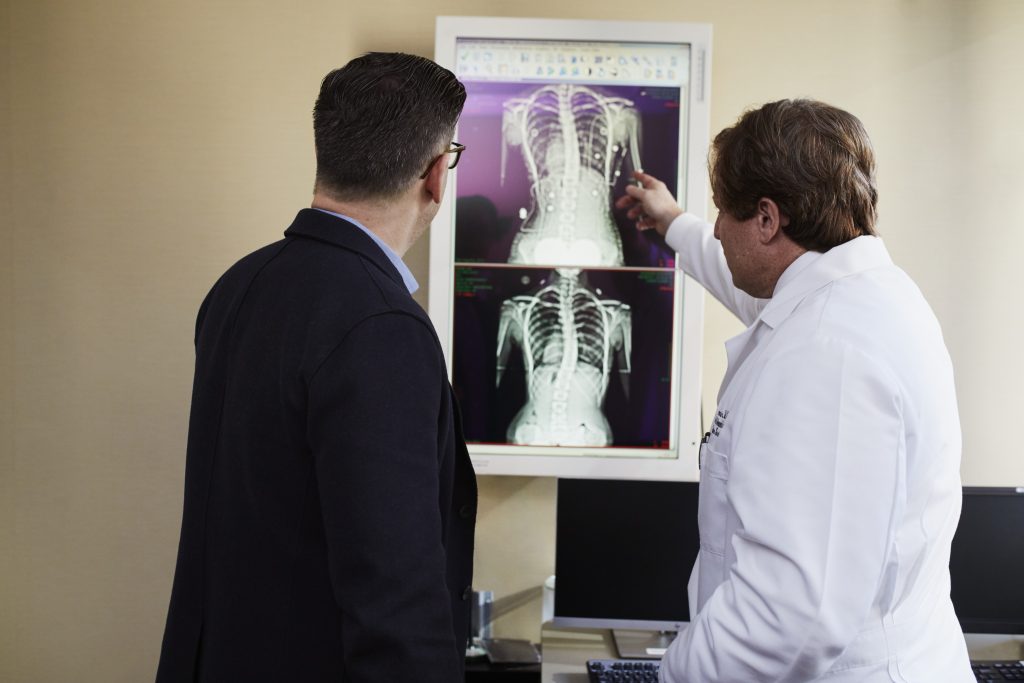 When an employee is injured on the job, workers’ compensation insurance often delivers more expediently than going through the courts. Unfortunately for the employee, it is also often less money than an injured employee could be awarded by suing the employer. As a Baton Rouge man recently learned, your type of employer can determine whether or not you’re able to sue your employer for work-related injuries.
  For some people, getting fired from work is like receiving the death sentence. In the following case, an employee was fired without any reason by his employer. The employer also tried to shortchange him by not giving him his earned wages. However, the employer fought back and, more or less, was vindicated under Louisiana law.
 UPDATE:
 In deciding whether to dismiss a specific case, the Appellate Court should consider many factors. Among them are subject matter jurisdiction and statutory of limitation. The claims might be dismissed if they are filed to a wrong court which does not have the legal power to adjudicate on this case, or if they are filed too late (peremption) because laws encourage people to file a lawsuit timely.
 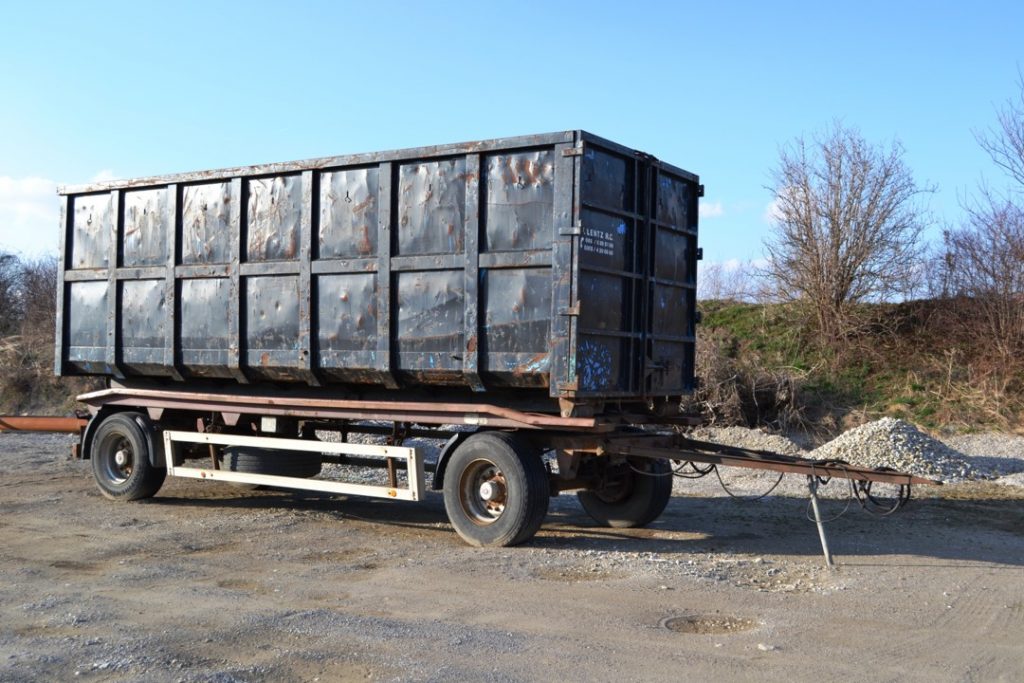 Often workers’ compensation claims focus on the nature of the injury that one argues makes them eligible to receive workers’ compensation benefits. However, in situations where there is more ambiguity surrounding one’s employment status, there can be an additional difficulty in determining if one’s employment classification makes one eligible to receive workers’ compensation benefits.
 If injured at work, many people will turn to a lawyer to learn about the legal options and damages available to them. Yet, a good lawyer can do more than just obtain damages, such as negotiate with the employer to facilitate accommodations needed in order to return to work.
 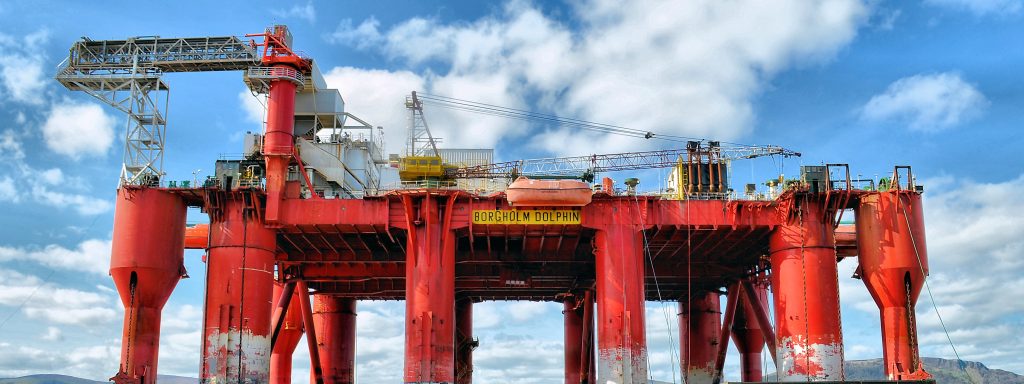 Offshore drilling platforms enable petroleum companies to access oil deposits beneath the ocean floor. Although these platforms are anchored to the sea floor, they are technically movable and can be relocated. Whether a platform is considered “immovable property” under Louisiana law became a central issue in a case involving an injured worker because different prescription periods apply to personal injury claims depending on the nature of the property at which the injury occurred.
 What happens when a person is injured due to a company’s negligence and the company is based outside of the United States? The plaintiff generally must file a lawsuit in federal court, but there are certain jurisdictional requirements that have to be met. A plaintiff’s ability to file a lawsuit against an international company in a U.S. district court depends on how much “contact” the company has with the United States.