Louisiana Personal Injury Lawyer Blog


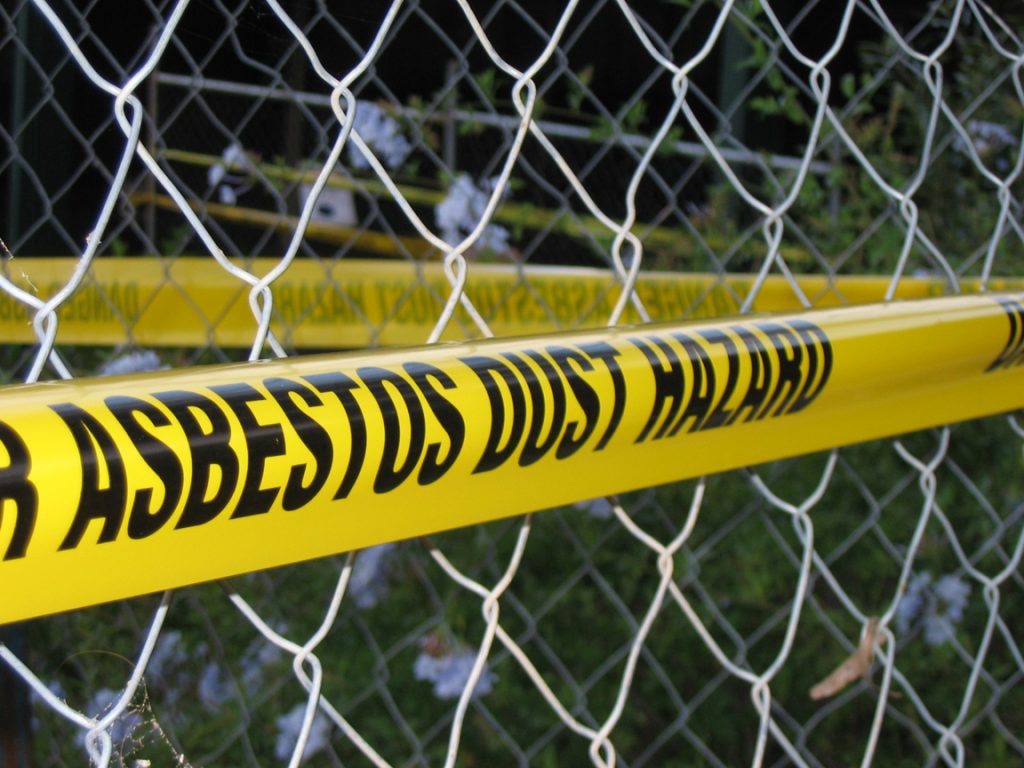 Insurance agreements often include a provision stating that the insurance company will defend their client or absorb the cost of defending if the client is sued. Eagle Incorporated – a New Orleans based provider of drywall, insulation, plaster, and other building materials – was previously insured by OneBeacon Insurance Company (OneBeacon) and United States Fidelity and Guaranty Company (USFG). Both of the insurance companies issued policies covering legal defense costs. That insurance paid off for Eagle when an employee sued for injury sustained from prolonged exposure to asbestos over his twenty-one years of employment.
When the injury alleged arrises over the course of many years and several insurance companies had polices with the defendant over that time, the insurance companies will split the cost to defend. In this case, USFG was the provider for three of the twenty-one year injury period so they would typically pay for that proportion of defense costs. When the employee brought the lawsuit, OneBeacon was the only listed insurance company set to defend Eagle. OneBeacon then asked the court to join USFG so they could split the cost to defend. However, USFG and Eagle had been parties of a prior lawsuit wherein they reached a settlement agreement stating that USFG would pay Eagle an undisclosed amount and in exchange their insurance policy would be altered to free them of the obligation to pay for past, present, or future defense costs. USFG brought this agreement to the court’s attention as a reason why they should not be liable for the present case.
OneBeacon did not want to shoulder the entire cost of defending so it asked the court for a summary judgment voiding the effects of the settlement agreement and ordering USFG to participate. USFG then asked for their own summary judgment validating the settlement agreement and freeing them from defense costs. The trial court sided with OneBeacon, finding that Louisiana disfavors insurance contract alteration when it will prejudice an injured third party and that allowing the settlement agreement alteration to stand would surely affect the other parties. An appeal of the Louisiana Fourth Circuit Court of Appeal followed.
 Sometimes a party feels that he, she, or it will fare better in a federal court rather than in the state court. At least for defendants, there is a process, known as removal.
 Throughout the last century asbestos was used in many products as an insulator from heat. Countless workers in the 1940s, 50s, 60s and beyond were exposed to asbestos fibers as part of their daily work. Those fibers can lie dormant for decades prior to forming mesothelioma cancer that then can metastasis throughout the body. Once mesothelioma is discovered typically a lawsuit follows in which every possible workplace in which the person was exposed is included as a defendant. However not all defendants will remain in the lawsuit until trial. Some will get out by filing motions in which they argue the facts do not support their inclusion in the proceedings. The following mesothelioma lawsuit out of Shreveport shows what happens when the facts of a case do not support the Plaintiff’s allegations as to certain parties fault.